Play Avalon
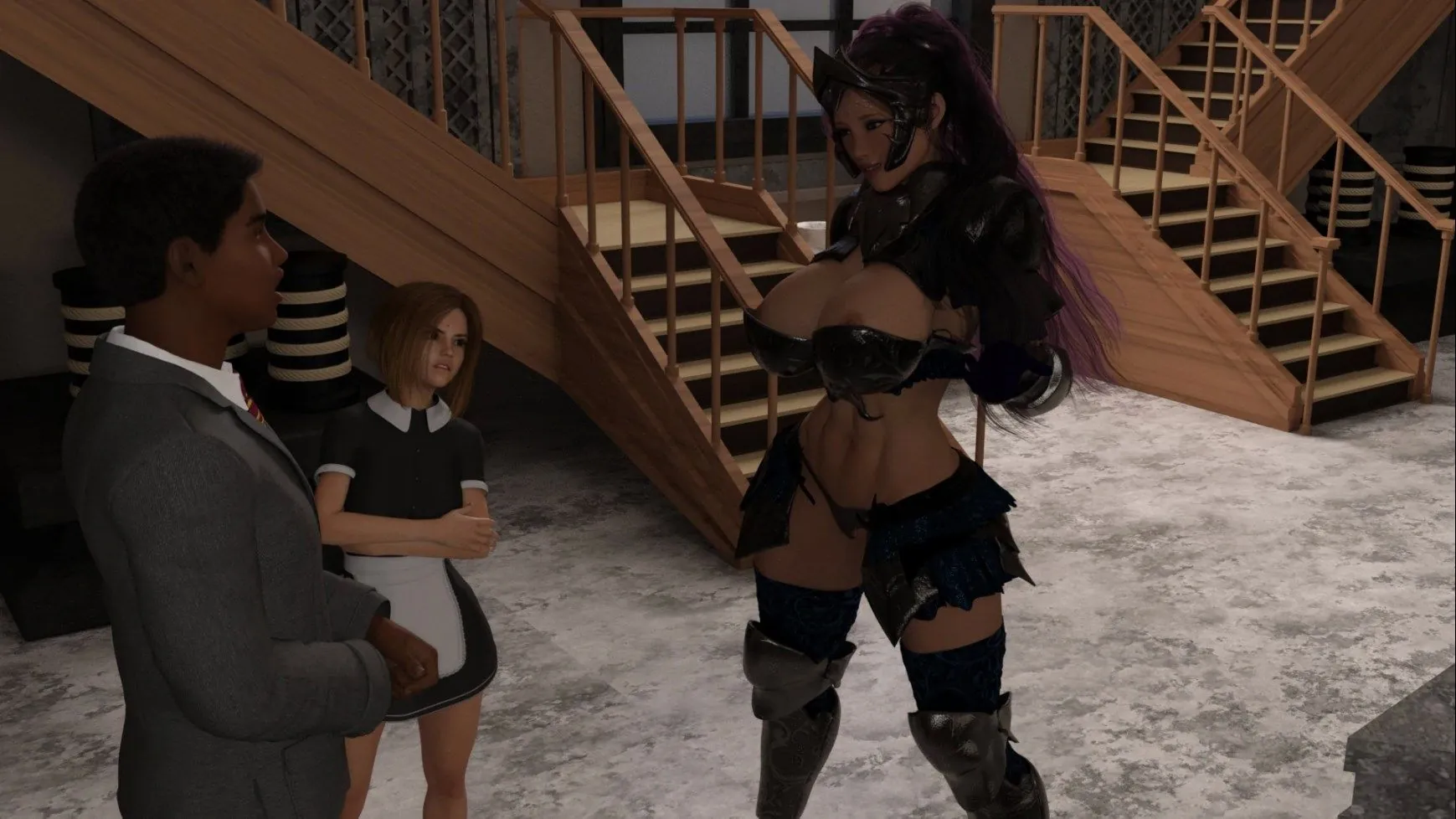
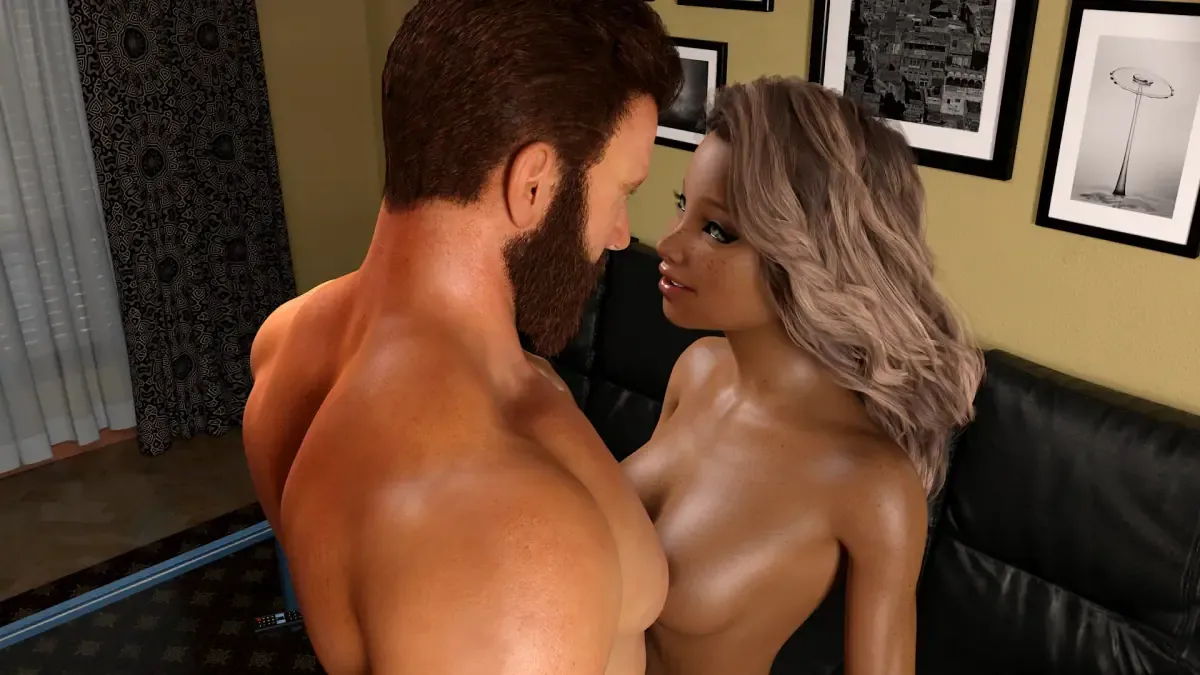
Avalon Screenshots
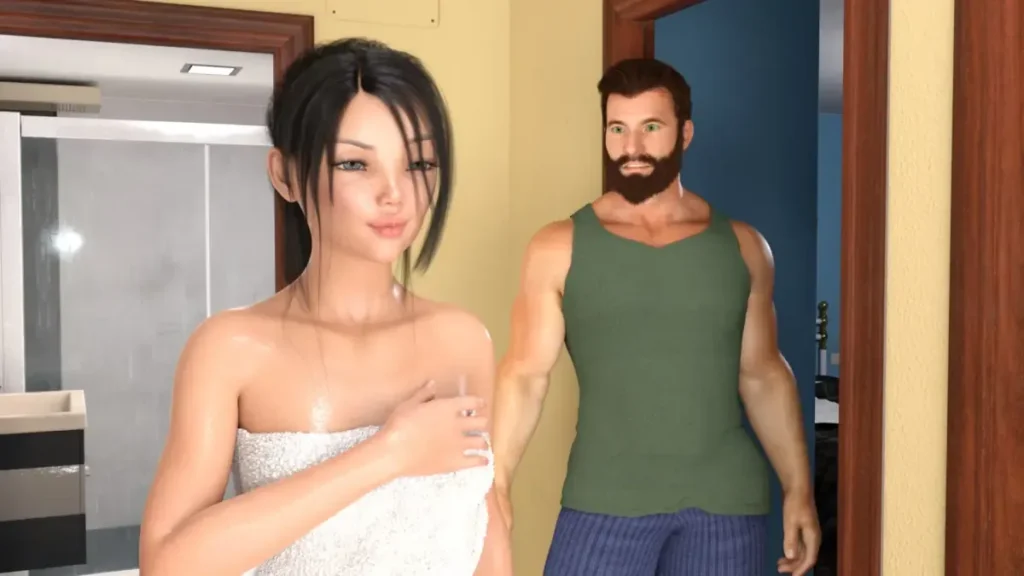


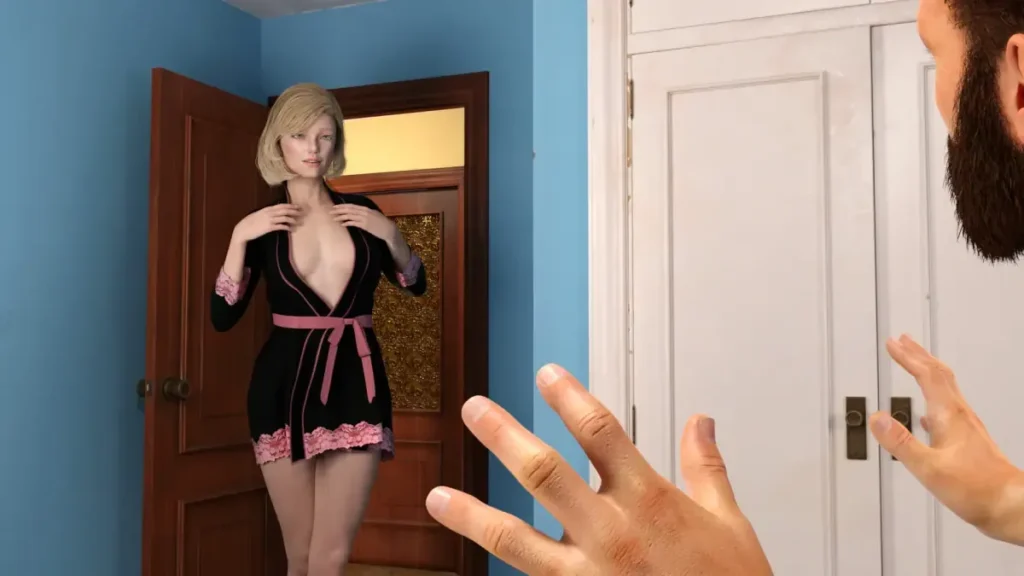













Avalon review
A comprehensive guide to the indie adult game experience with mechanics, content, and future development plans
Avalon represents a unique entry in the indie adult gaming landscape, combining rhythm-based gameplay mechanics with mature content. Developed as a standalone title with ambitious future plans, this game offers players an interactive experience centered around timed command sequences and progression systems. The developer has invested significant resources into creating a polished product that balances explicit content with engaging mechanics. Whether you’re curious about the gameplay systems, the pricing structure, or the developer’s vision for expanding the Avalon universe, this guide provides comprehensive insights into what makes this title distinctive in the adult gaming market.
Gameplay Mechanics and Core Experience
Let’s be honest, most adult games you stumble across are… well, they’re a bit simple, right? 😅 You click a few times, maybe make a basic choice, and that’s the whole show. It’s fun for a minute, but then you’re left wondering, “Is that it?” Where’s the game in this game?
That’s exactly what the developer behind Avalon asked. They were fed up with experiences that prioritized one thing at the total expense of engagement. Their vision was different: a title where the interactive mechanics weren’t just an afterthought, but the star of the experience. A game you play not just to see, but to master. This philosophy is baked into every aspect of the Avalon game mechanics, transforming it from a passive viewing into an active, pulse-pounding challenge.
So, what makes it tick? Strap in, because we’re diving deep into the heart of what makes this indie title so uniquely compelling. Forget everything you think you know—this is about rhythm, precision, and the sheer thrill of getting into the zone. 🎮
Understanding the Rhythm-Based Command System
At its core, Avalon is built on a deceptively simple but incredibly engaging premise: rhythm-based gameplay. Imagine the satisfying click-clack of a high-speed typing test or the perfectly timed hits of a classic arcade music game. Now, fuse that with a vibrant, dynamic visual novel. That’s the magic here.
The foundation is the command matching system. Here’s how it works: as you progress through a scene, a series of command prompts will appear on screen. These are single keys or simple key combinations. Your job isn’t just to hit them—it’s to hit the corresponding command on your keyboard within a specific, tight time window that appears with each prompt.
Think of it like a dance. The game provides the beat (the visual and audio cues), and you provide the steps (the key presses). Miss a step, and the rhythm breaks.
This isn’t just busywork. This system directly drives the narrative and visual reward. Successful matches build up a combo and fill a progress bar. Chaining these matches together in a flawless sequence is where the real magic happens. It creates a fantastic sense of flow—you’re not just watching a story unfold; you’re performing it. Your fingers become an instrument, and the on-screen action is your symphony. 🎹
The beauty of this rhythm-based gameplay is its immediacy. There’s no complex strategy to decipher, no labyrinthine menus. It’s pure, instinctive reaction. This makes Avalon incredibly easy to pick up, but as we’ll see, devilishly hard to perfect. The command matching system is the golden thread that ties the entire experience together, making you an active participant in every single moment.
Progression, Difficulty Scaling, and Replayability Features
Now, let’s talk about what happens when you nail those commands—or when you stumble. The Avalon game progression system is a brilliant piece of design that perfectly balances challenge with accessibility. It understands that players have different skill levels and, more importantly, that a single player’s skill will evolve over time.
Your primary resource for progression is HP (or let’s call it “Focus” for our purposes). You earn Focus with every successful command match. Building combos—hitting sequences without error—grants bonus Focus. This resource is your ticket forward; you need to maintain a certain level to advance to the next story beat or unlock the next narrative branch. Run out of Focus by missing too many commands, and the scene will end prematurely. It’s a constant, gentle pressure that keeps you locked in.
But here’s where the genius difficulty scaling comes in. Let’s say you have a rough run. You miss a few too many prompts and fail a scene. In a punitive game, you’d just be stuck, forced to bash your head against the same wall. Avalon takes a more compassionate, player-friendly approach. Your internal “rank” or skill rating will decrease slightly after a failure.
“What? Making it easier? That’s not hardcore!” 🤔 Hold on. This isn’t about dumbing things down. This is about elegant difficulty scaling. By lowering the rank, the game subtly adjusts the timing windows, making them slightly more forgiving on your next attempt. It meets you where you are, ensuring that frustration doesn’t become a roadblock. It allows you to practice, improve, and eventually overcome the challenge. The ultimate goal, of course, is to complete the entire game without a single failure—a badge of honor for true masters of its rhythm-based gameplay.
This system is the cornerstone of the game’s endless replayability. You’re not just playing to “see everything” once. You’re playing to improve. You’ll replay scenes to achieve a perfect combo, to see if you can finish with a higher Focus reserve, or simply to feel the satisfaction of executing flawlessly something that once tripped you up. The Avalon game progression is a personal journey of skill acquisition.
To break it all down, let’s look at how these systems interact across the experience:
| Aspect | Mechanic | Player Reward |
|---|---|---|
| Core Engagement | Rhythm-based command matching with timed windows | Direct control over the pace and success of the scene; a sense of performance. |
| Progression Fuel | Earning & maintaining “Focus” (HP) through successful matches and combos. | Unlocks narrative advancement and new content; a clear visual measure of success. |
| Adaptive Challenge | Dynamic difficulty scaling that adjusts after failures. | Reduced frustration, allowing for practice and skill growth without hard blockers. |
| Mastery Goal | Completing the game without a single scene failure. | The ultimate achievement, demonstrating complete mastery of the Avalon game mechanics. |
Survival Mode and Endless Challenge Options
So you’ve conquered the main story. You’ve achieved a flawless run. You think you’re the master of Avalon? 😏 Think again. This is where the game truly reveals its depth and commitment to endless replayability. Enter the pinnacle of challenge: Survival Mode gameplay.
The developer described this mode to me with a mischievous glint. They called it a “mashup of all reward animations in an endless level format.” Let’s translate that. Imagine every spectacular visual reward from the entire game, stripped of its narrative context and compiled into a relentless, non-stop assault on your senses and reflexes. It’s the game’s greatest hits album, played at double speed.
But there’s a twist—the timer. The already demanding timing windows from the main game? They get tighter. Much tighter. In fact, the developer specifically designed the Survival Mode gameplay to be “even harder timer-wise than the final level” of the main story. This isn’t for the faint of heart. It’s a pure, uncut test of everything you’ve learned.
This mode features a competitive scoring system. Your performance is quantified, encouraging you to climb leaderboards (real or personal). How long can you last before the ever-increasing pace and punishing timer overwhelm you? How high can you push your score? It transforms the experience from a narrative journey into an arcade-style challenge with one simple goal: beat your best.
And for the absolute elite—the players who find even Survival Mode becoming comfortable—there’s a legendary extra. The developer hinted at a bonus “endless super hard Avalon mode.” Details are scarce, purposefully so. It’s spoken of as a mythic challenge layer, a mode that pushes the command matching system to its absolute theoretical limit. It exists as the final Everest for the most dedicated players, ensuring that the ceiling for skill is virtually nonexistent. 🏔️
This commitment to post-game content is what separates a fleeting experience from a lasting one. The main story teaches you the dance. Survival Mode throws you into the mosh pit. And the secret super-hard mode? That’s a solo on a world stage. Each layer leverages the same brilliant, core Avalon game mechanics, but frames them in a way that offers fresh excitement and relentless challenge.
From the intuitive yet deep rhythm-based gameplay to the smart difficulty scaling that nurtures improvement, and onto the brutal, endless replayability of its challenge modes, Avalon stands as a testament to a simple idea: interaction should be meaningful. Its Avalon game progression isn’t just about unlocking images; it’s about unlocking your own proficiency. You don’t just play this game. You get better at it. And in that journey of improvement, you find a rare and satisfying kind of fun that keeps you coming back long after the initial curiosity has faded. It’s not just a game you finish; it’s a game you learn. And that lesson is endlessly rewarding.
Avalon stands as a carefully crafted indie title that merges engaging gameplay mechanics with mature content, backed by substantial developer investment and clear artistic vision. The rhythm-based command system provides accessible yet challenging gameplay that rewards skill development and offers multiple difficulty tiers for varied player preferences. The pricing reflects genuine production costs including performer compensation, technical expertise, and months of dedicated development work. Beyond its standalone appeal, Avalon serves as a testing ground for innovative mechanics that will shape the ambitious Bad Ass Babes 2 project. The developer’s commitment to expanding the series with titles like the Asia-focused game demonstrates a long-term vision for creating a cohesive universe of adult-oriented gaming experiences. For players interested in indie adult games with substantive mechanics and genuine development effort behind them, Avalon represents a significant entry point into this evolving gaming landscape.