Bad Bobby Saga
Play Bad Bobby Saga
Bad Bobby Saga Screenshots
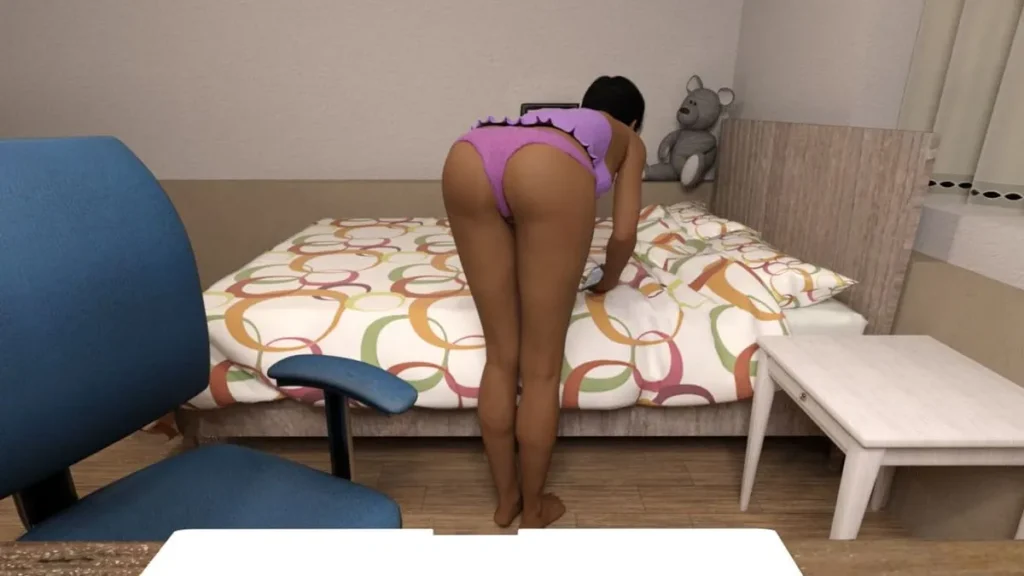



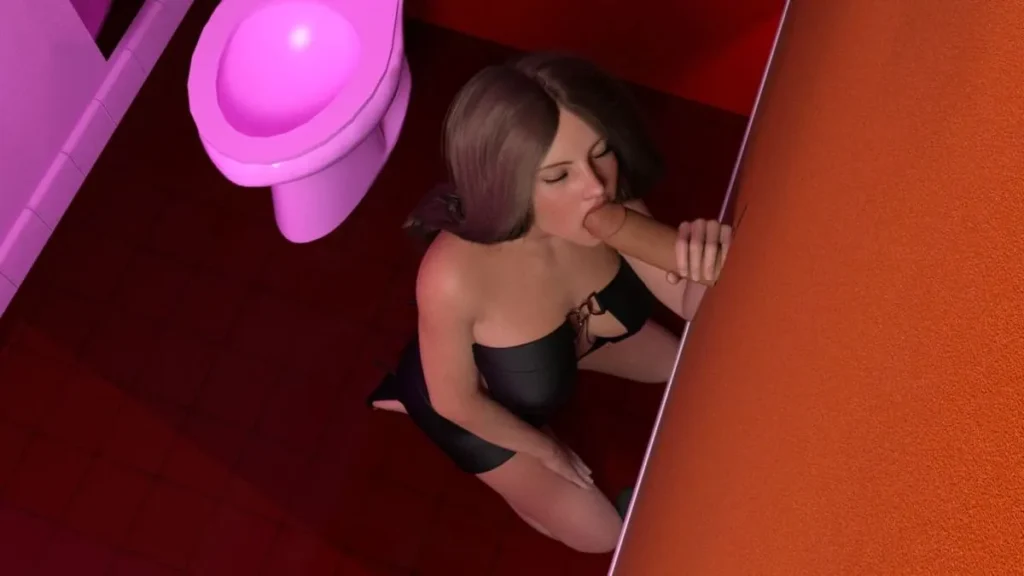

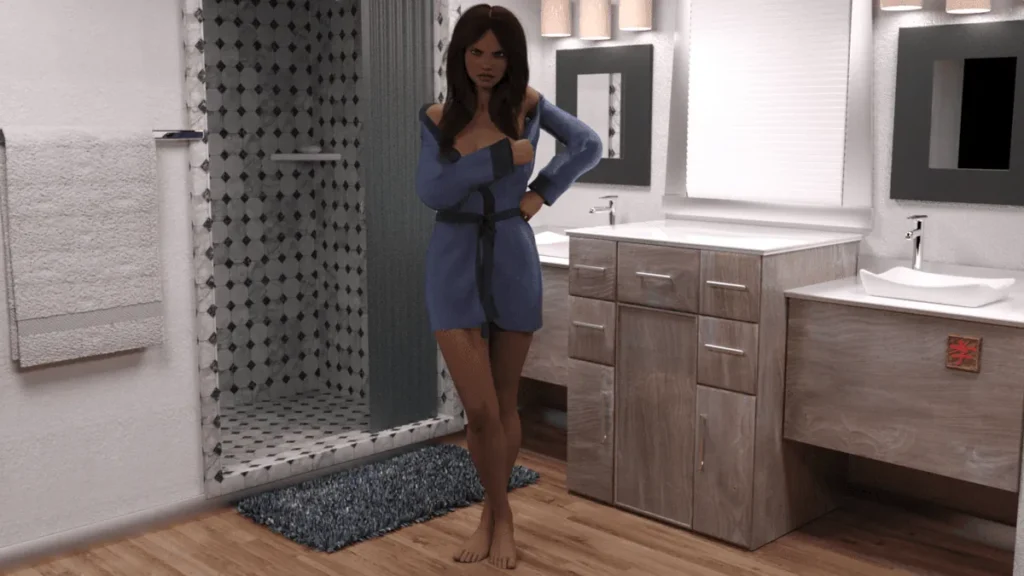
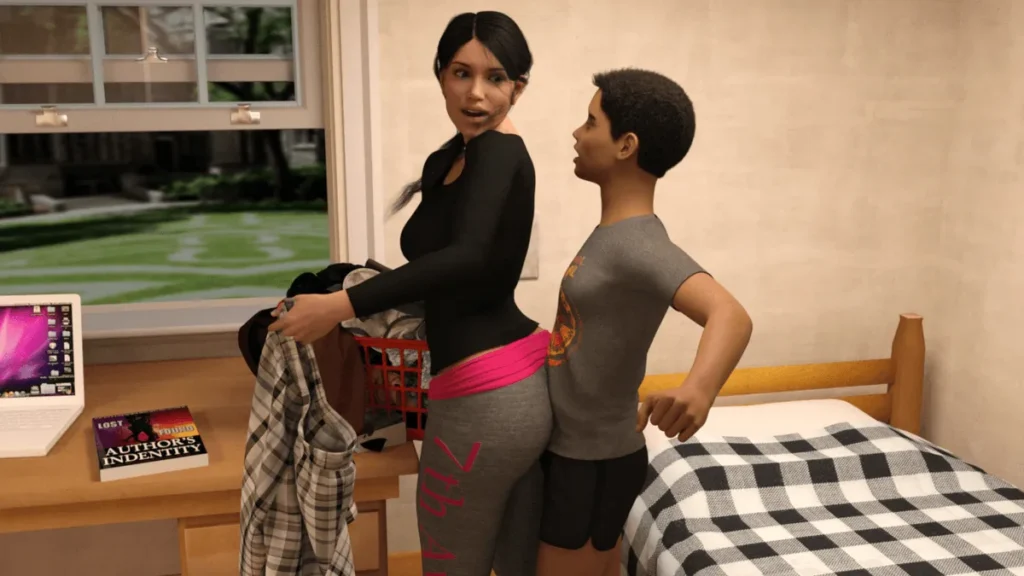

Bad Bobby Saga review
Everything you need to know about the indie game project, its development journey, and community reception
Bad Bobby Saga is an indie game project that has garnered significant attention within the gaming community. The game has experienced a complex development journey marked by multiple restarts and community discussions about funding, content delivery, and developer commitment. Understanding the game’s history, current status, and the conversations surrounding indie game development provides valuable insight into both the project itself and broader challenges facing independent developers. This guide explores what Bad Bobby Saga is, its development trajectory, community perspectives, and what players can expect from the project moving forward.
Understanding Bad Bobby Saga: Project Overview & Development History
So, you’ve heard whispers about the Bad Bobby Saga game. Maybe you’ve seen some intriguing art or caught wind of its rollercoaster development story in forums. 🎢 As someone who follows countless indie game development journeys, this one has a particular flavor—a mix of dazzling potential, passionate support, and the kind of public growing pains that make you root for it, albeit nervously.
Let’s pull up a chair and unpack everything about this project. What is it, why has its path been so twisty, and what does its story tell us about the modern world of Patreon funded games and player expectations? This is your deep dive into the Bad Bobby Saga game, from its core concept to its complex relationship with the game development community.
### What is Bad Bobby Saga and Its Core Concept
At its heart, the Bad Bobby Saga game is an ambitious action-adventure RPG with a striking, dark fantasy aesthetic. Imagine a world where classic fairy tale tropes are turned on their head, soaked in a grim and gothic atmosphere. You don’t play as a traditional hero; you step into the worn boots of Bobby, a character navigating a morally grey world filled with treacherous creatures, mysterious lore, and challenging combat.
The core promise that hooked many early supporters was a blend of:
* Precision-based combat: Think deliberate timing, parries, and dodges rather than button-mashing.
* A deep, interconnected world: Encouraging exploration with secrets, hidden paths, and environmental storytelling.
* A unique narrative tone: Moving away from high-fantasy clichés to something more personal and somber.
It’s the kind of pitch that gets indie game development fans excited—a clear, passionate vision from a small team or solo creator aiming to deliver an experience bigger studios might overlook. The early visuals, often shared as game development updates, showcased a compelling art direction that immediately set it apart in a crowded market. For backers, it wasn’t just funding a game; it was buying into a specific and captivating mood.
### Development Timeline and Project Restarts
If the concept is the dream, the timeline is the reality—and for the Bad Bobby Saga game, reality has been a circuitous path. This project is a prime case study in how complex and nonlinear the creative process can be, especially in the public eye. The development history isn’t a straight line; it’s a series of chapters, some of which were rewritten entirely.
The story is defined by multiple significant restarts. Early on, the game was being built in one engine, but as the scope of the vision grew, the technical limitations became a wall. The developer made the tough, but arguably necessary, decision to switch engines—a move that essentially meant rebuilding the game from the ground up. 😮💨 While this is not unheard of in indie game development, it’s a massive undertaking that resets the clock.
Later, another restart occurred, this time centered on the game’s core design and narrative direction. Feedback from early builds and internal reflection led to another substantial overhaul. Characters were reworked, story beats changed, and gameplay systems were refined or replaced. From the outside, this can look like stalling or indecision. But from a development standpoint, it’s often a painful but vital process of finding the true soul of the project.
To make sense of this journey, let’s map it out:
| Phase | Timeframe | Key Milestones & Notes |
|---|---|---|
| Initial Concept & Reveal | Early Years | First public announcement and teasers. Project gains initial following based on unique art style and concept. |
| First Major Build (Engine A) | ~Year 1-2 | Early demo development. Community gets first hands-on feel. Technical constraints begin to surface. |
| Project Restart #1 | ~Year 2-3 | Decision to switch game engines for better scalability and visual fidelity. Previous work largely scrapped. |
| Rebuild & Patreon Launch | ~Year 3-4 | Game rebuilt from scratch in new engine. Patreon funding model is established to support full-time development. Regular updates begin. |
| Alpha/Beta Demonstrations | ~Year 4-5 | New demos released to backers. Gameplay systems (combat, exploration) are tested and receive community feedback. |
| Project Restart #2 (Design Overhaul) | ~Year 5-6 | Substantial narrative and design revisions based on feedback. Another period of behind-the-scenes reconception. |
| Current Phase (Ongoing) | Present | Focused development on the refined vision. Update pace and content remain central points of community discussion. |
This timeline is crucial for understanding the current state of the Bad Bobby Saga. Each restart, while delaying a final release, was aimed at ultimately creating a better game. However, this process tests the patience of everyone involved—the developer and the community alike. It also places the project in a delicate position within the landscape of Patreon funded games, where continuous progress is the lifeblood of supporter trust.
### Community Reception and Feedback Patterns
The game development community surrounding Bad Bobby Saga is a fascinating microcosm of passion, patience, and friction. It’s a group that formed around a compelling idea and has stuck around through thick and thin, with reactions evolving as the development saga unfolded.
The Wave of Initial Excitement & Support
Initially, reception was overwhelmingly positive. The unique art, the ambitious pitch, and the transparent (if ambitious) development goals resonated. Backers on Patreon signed up, not just for a game, but to be part of the journey. They celebrated early screenshots, dissected lore hints in game development updates, and formed a core of dedicated supporters. This period highlights the best of modern indie game funding models: a direct, symbiotic relationship between creator and audience.
The Shift: Critical Feedback and Growing Concerns
As time passed and restarts extended the timeline, the feedback pattern began to shift. The community’s voice became a mix of enduring hope and vocal criticism. Several key themes emerged:
- The Pace of Updates vs. Expectations: This is the most common thread. Patrons supporting a monthly indie game funding model naturally expect a steady stream of visible progress. When updates became less frequent or focused on behind-the-scenes technical work (necessary after a restart), some perceived it as a slowdown. The phrase “radio silence” started appearing in discussions, a common anxiety among backers of early-access or crowdfunded projects.
- Delivery of Tangible Content: Linked to pace is the nature of the content. Community members often expressed a desire for more playable slices, videos of core gameplay loops, or concrete evidence of narrative progression, rather than isolated asset teasers. The gap between expectation (steady, visible strides) and delivered content (bursts of info followed by quiet periods) became a source of tension.
- Discussions on Project Viability: In darker corners of forums, the dreaded comparison to abandoned indie projects surfaced. 🤐 Some pointed to the restarts as a potential red flag, wondering aloud if the project was stuck in a “development loop.” These discussions are a painful but real part of the ecosystem for ambitious, long-gestating indie games. Supporters often debate developer commitment, with some defending the need for creative changes and others worrying about scope management.
A key insight from this dynamic: The community’s criticism rarely stems from a lack of love for the idea of Bad Bobby Saga. Instead, it comes from a deep investment in seeing it succeed. Their frustration is often a mirror of their anticipation.
Notable Community Moments
Specific examples include calls for more structured roadmaps, debates over whether the developer was over-scoping the project, and heartfelt messages from long-time backers encouraging more consistent communication. The developer’s responses, when given, have sometimes acknowledged the delays and restarts as painful but necessary steps—a balancing act between managing community expectations and staying true to an evolving creative vision.
This ongoing conversation makes the Bad Bobby Saga game a compelling case study. It sits at the intersection of creative ambition, the financial realities of Patreon funded games, and the intense scrutiny of a watchful game development community. Its story is still being written, a testament to the challenging, messy, and deeply human process of bringing a complex game to life.
Frequently Asked Questions about Bad Bobby Saga
Q: Is the Bad Bobby Saga game still in development?
A: Yes, as of the latest available information, development is ongoing. The project has undergone significant restarts and redesigns, which has extended its timeline, but work continues towards a finished product.
Q: How is the game being funded?
A: The project is primarily funded through a Patreon campaign. This is a common indie game funding model that allows supporters to contribute monthly, often in exchange for development updates, behind-the-scenes access, and sometimes early builds of the game.
Q: Why has development taken so long?
A: The primary reasons are the two major project restarts: one involving a complete engine change for technical reasons, and another involving a substantial overhaul of the game’s core design and narrative. These decisions, while time-consuming, were made to improve the final quality of the game.
Q: What are the biggest community concerns?
A: The main concerns within the game development community revolve around the pace of game development updates and the delivery of tangible, playable content. Some supporters worry about the long gaps between major updates and desire more consistent communication.
Q: How can I follow the game’s progress?
A: The best way to follow progress is through the game’s official Patreon page, which is the primary source for game development updates. The developer may also share occasional teasers on social media platforms like Twitter or YouTube.
Bad Bobby Saga represents a significant case study in indie game development, illustrating both the challenges and complexities that independent developers face when creating projects. The game’s journey—marked by multiple restarts, community engagement, and ongoing discussions about funding and content delivery—reflects broader conversations within the indie gaming community about sustainability, developer accountability, and player expectations. The project demonstrates how crucial transparent communication and consistent progress are to maintaining community trust and support. As the indie game landscape continues to evolve, projects like Bad Bobby Saga serve as important examples of what works and what doesn’t in independent game development. Whether you’re a player interested in the game’s current status or someone curious about indie development dynamics, understanding Bad Bobby Saga’s story provides valuable perspective on the realities of bringing independent projects to completion.