Lessons in Love
Play Lessons in Love
Lessons in Love Screenshots



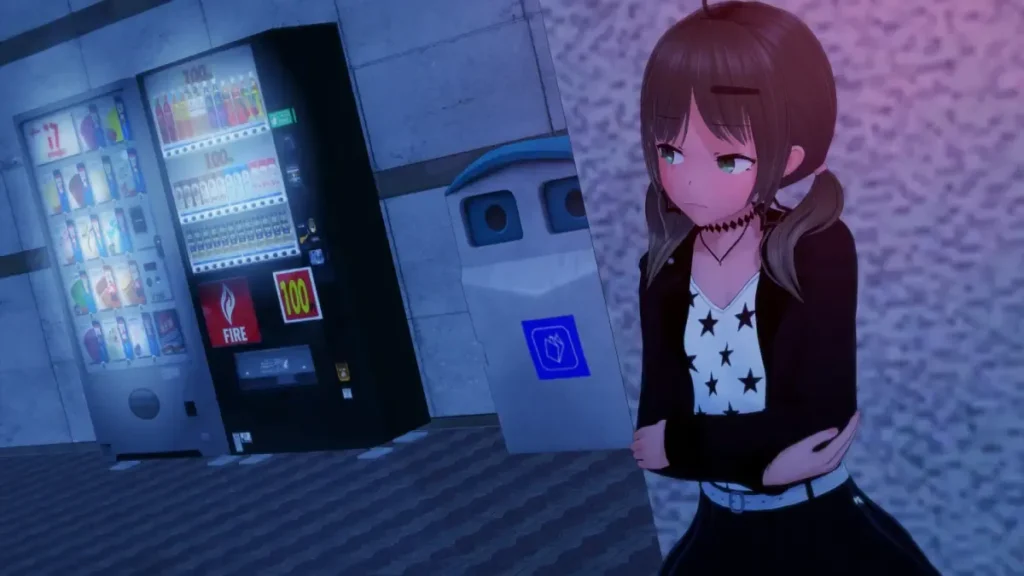


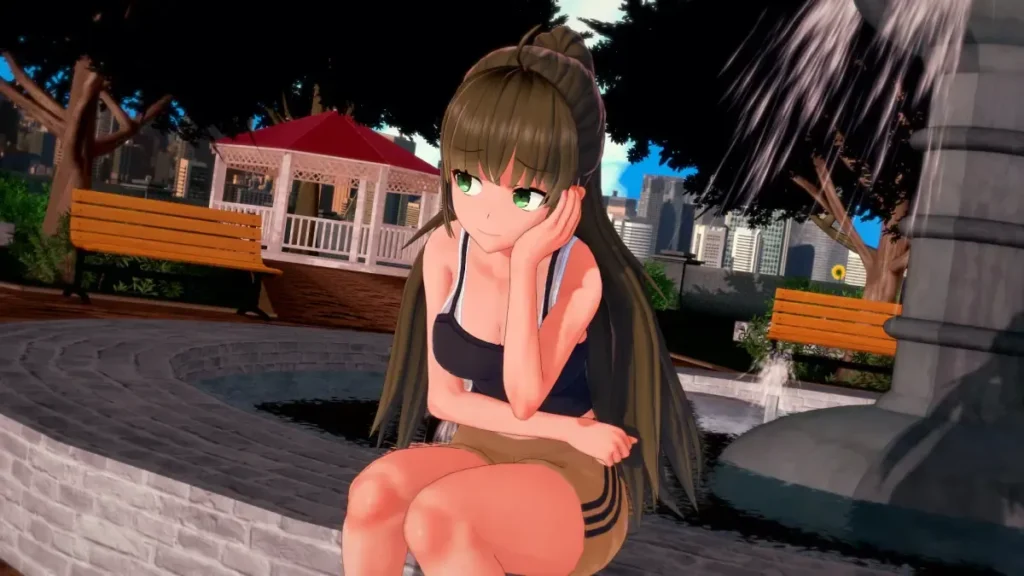


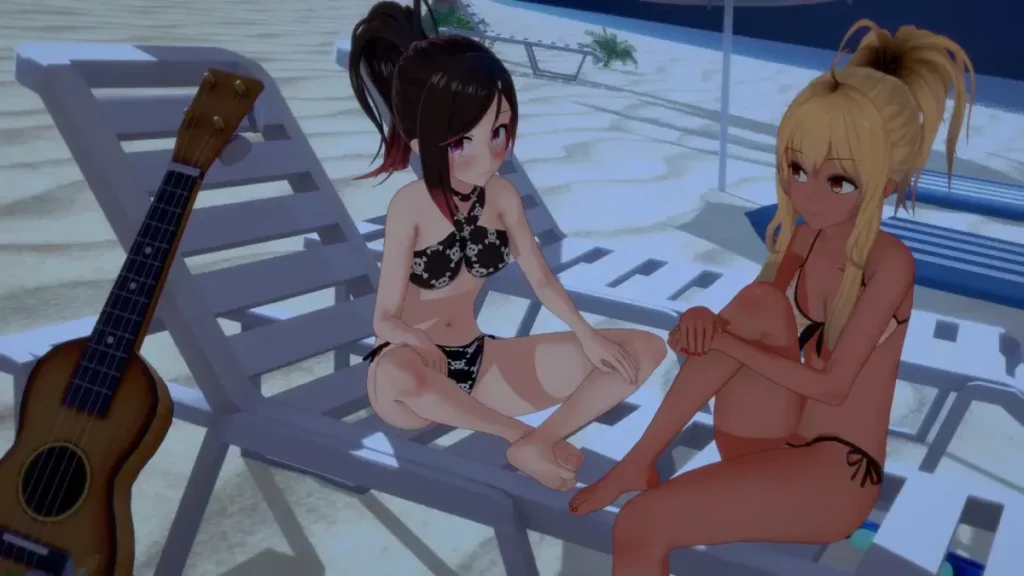



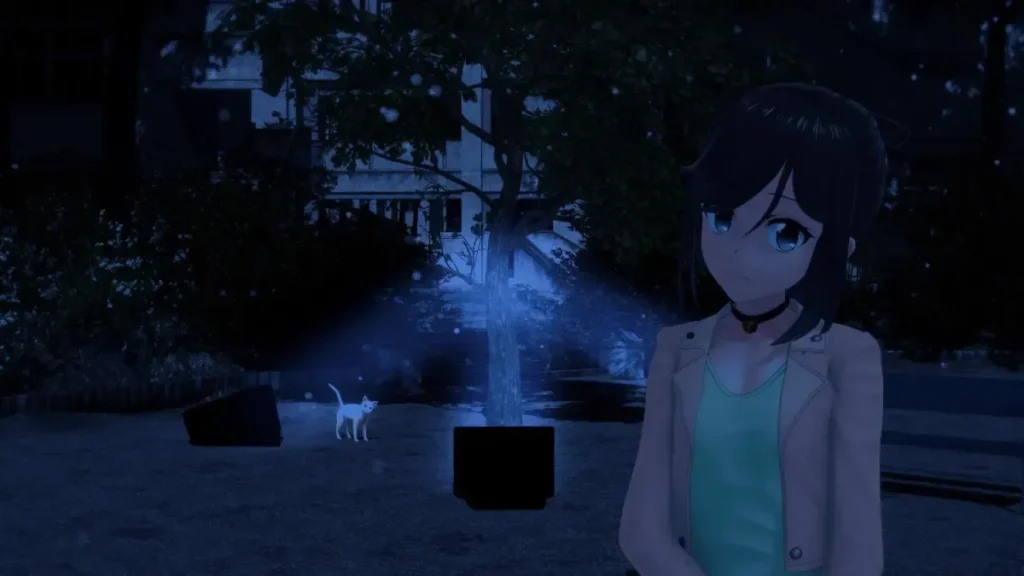
Lessons in Love review
Master gameplay mechanics, character relationships, and story progression in this narrative-driven visual novel
Lessons in Love stands out as a narrative-rich visual novel that combines choice-driven storytelling with character relationship mechanics. Set in the fictional city of Kumon-mi, this game challenges players to navigate complex social dynamics, make meaningful decisions that shape the story, and uncover the mysteries surrounding the protagonist’s unusual circumstances. Whether you’re new to visual novels or a seasoned player, understanding the core mechanics and story structure will enhance your experience and help you discover all the game has to offer.
Understanding Lessons in Love: Core Gameplay and Story Foundation
So, you’ve just clicked ‘New Game’ on Lessons in Love, ready for a charming story about teaching and romance. Then, within the first hour, you’re hit with a surreal nightmare, a philosophical crisis, and the unsettling realization that the city you’re in might be a waking dream. Welcome to Kumon-mi. This isn’t your average dating sim. 😅
If you’re feeling a bit overwhelmed, don’t worry—you’re not alone. I remember my first playthrough, meticulously trying to be the “perfect” teacher, only to find my choices had quietly locked me out of a crucial character’s entire story arc by the mid-game. It was a harsh, but brilliant, lesson in how this game works. To truly master how to play Lessons in Love, you need to understand its unique foundation. Let’s break it down together.
What Makes Lessons in Love Unique as a Visual Novel
At first glance, Lessons in Love might fool you. It presents itself with the familiar trappings of a choice-based visual novel gameplay loop: beautiful characters, dialogue options, and a relationship meter to fill. But to label it just a “dating sim” is like calling the ocean a big puddle. It completely misses the depth, mystery, and often terrifying narrative currents lurking beneath the surface. 🌊
What sets it apart is its masterful, almost deceptive, layering. The early game is generously sprinkled with fan-service and slice-of-life moments with your students. This serves a dual purpose: it endears you to the large cast and lulls you into a false sense of security. You’re building your visual novel affection system, sharing laughs, and enjoying the daily life of a teacher. It’s comfortable.
Then, the cracks begin to show. A strange, glitch-like image. A line of dialogue that doesn’t quite fit. A character referencing something impossible. The game uses its branching narrative visual novel structure not just for romance, but to explore themes of identity, reality, memory, and existential dread. The choices you make don’t just determine who you date; they determine what version of the truth you uncover, and which characters you save—or fail to save—from the unsettling forces at play in Kumon-mi.
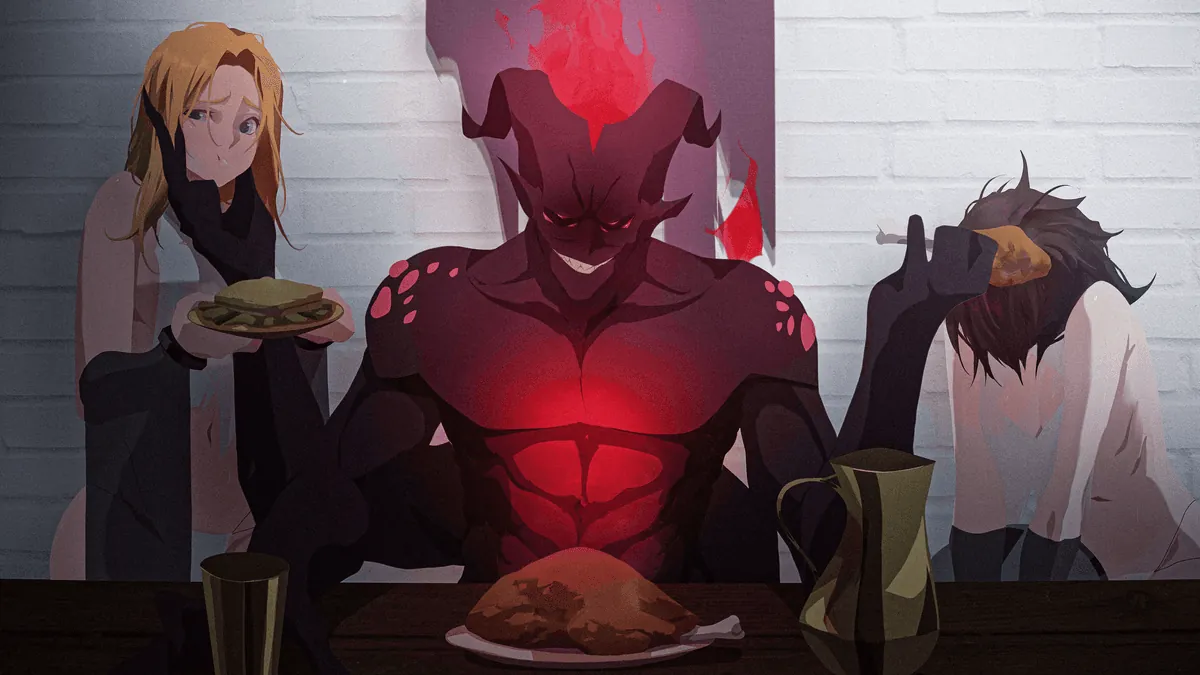
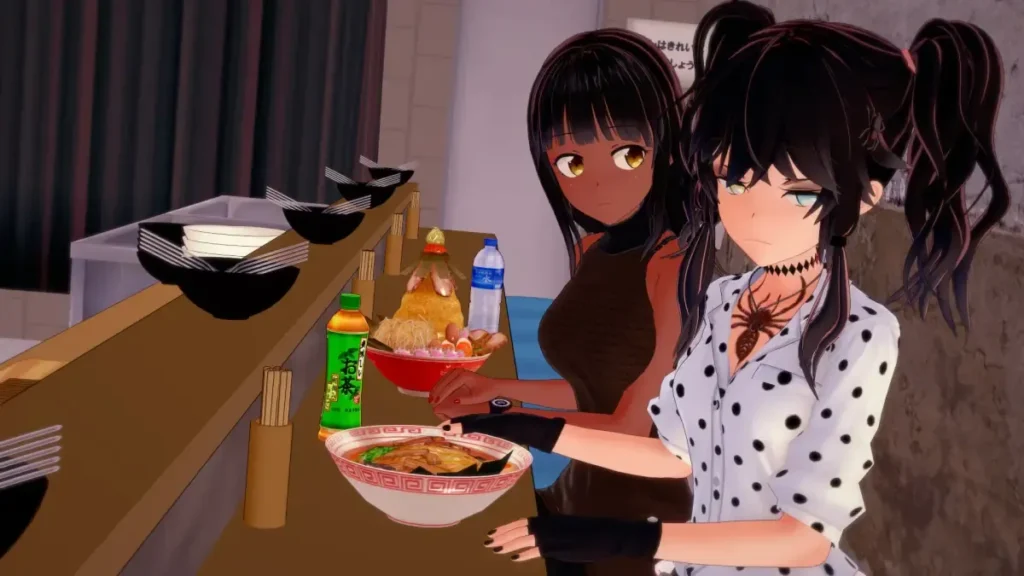
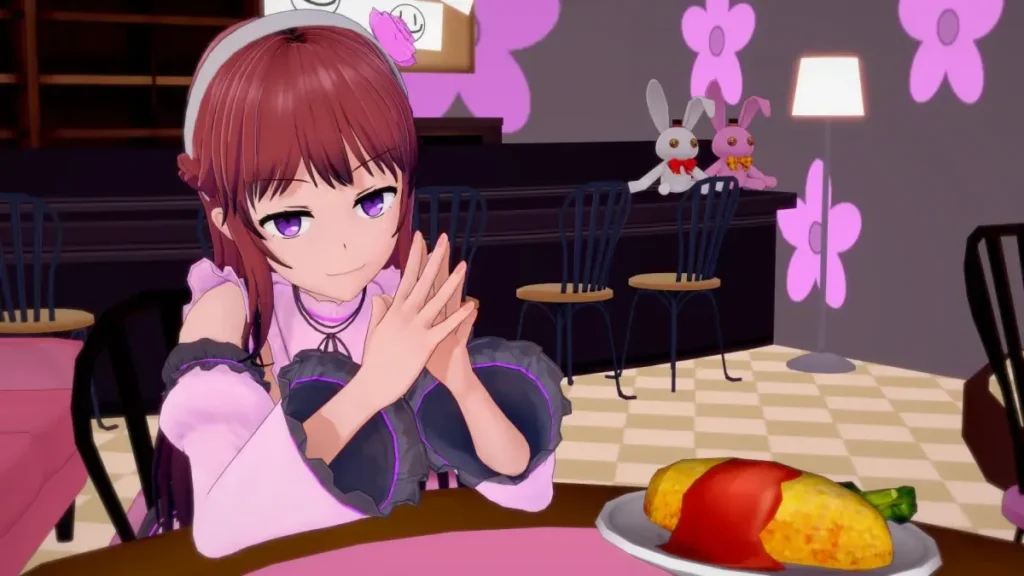
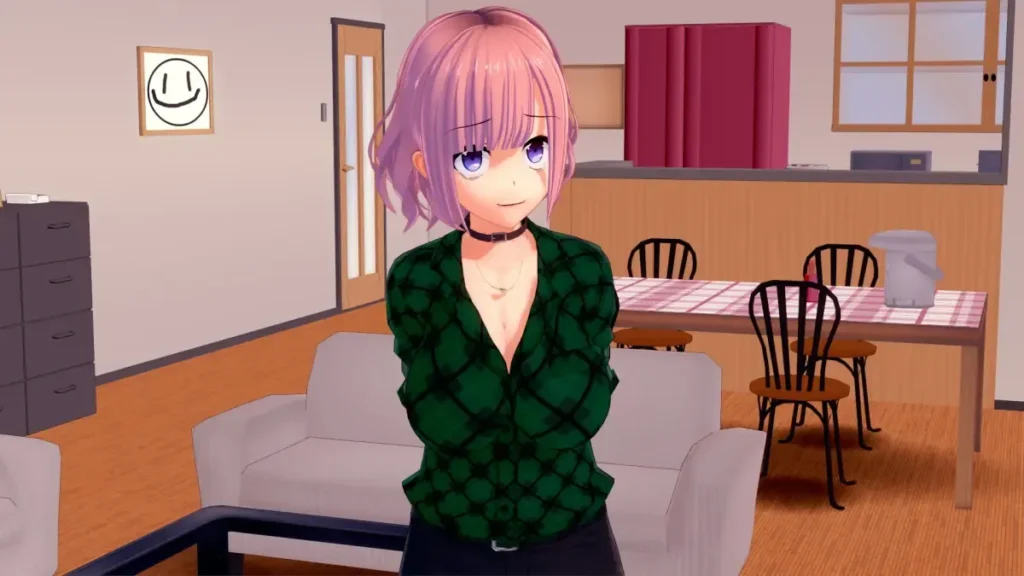
This is cemented by its distinct art style. The characters are rendered in a vibrant, appealing cel-shaded style that makes every interaction feel lively and intimate. But this same artistic engine is used to portray some of the most genuinely unsettling and surreal horror imagery I’ve seen in the genre. The contrast is jarring and intentional, making the frightening moments hit all the harder. It’s a visual representation of the game’s core: beauty and terror, comedy and cosmic horror, existing on the same branching path.
The Protagonist’s Journey and Setting in Kumon-mi
Let’s talk about the Lessons in Love story premise, because it’s one of the wildest hooks in gaming. You don’t create a protagonist. You become one. The game begins with your consciousness awakening inside the body of a man—a teacher—who has just attempted to take his own life. You have no memory of his past, his relationships, or his motives. All you have is his name, his job at Akademi High, and a classroom full of students who depend on him. Talk about a first day on the job. 😰
This amnesiac perspective is genius. You, the player, are just as disoriented and curious as the protagonist. Every discovered memory, every hint about “who you were,” feels like a personal revelation. You’re not guiding a character; you’re piecing together an identity from scratch, and your choices actively shape what that identity becomes.
This all unfolds in the Kumon-mi city setting. Kumon-mi isn’t just a backdrop; it’s a character in its own right, and a deeply mysterious one. The city exists under a perpetual, dome-like barrier. The reason? Most of the world’s adult men have been conscripted into a distant, off-world war. Kumon-mi is essentially a city of women, children, and the few remaining (or returned) men like you. This creates a uniquely isolated and introspective society, rife with social peculiarities and unspoken tensions.
But the barrier does more than just separate. It fosters a strange, almost dreamlike quality to life. Time can feel fluid. Events repeat with subtle differences. The city itself seems to have a will, and the longer you play, the more you’ll question if Kumon-mi is a sanctuary, a prison, or something else entirely. Navigating this setting is a core part of the Lessons in Love experience. You’re not just building relationships; you’re investigating the very reality that contains them.
How Choice-Based Mechanics Shape Your Experience
This is where the rubber meets the road in how to play Lessons in Love. Forget the idea of quick-saving before every choice to see all outcomes in one run. This game has a long memory, and its systems are designed to make your path feel uniquely yours—consequences and all.
The core of the choice-based visual novel gameplay revolves around two intertwined systems: the Affection System and the Branching Narrative Structure.
The Affection System: More Than Just Hearts
Unlike simple meters, affection in Lessons in Love is a key that unlocks content. Each major character has a hidden affection value that changes based on your dialogue choices and, crucially, which events you choose to attend.
Pro Tip: Choosing to spend time with one character often means not spending time with another. These missed opportunities can lower affection or cause you to miss an event chain entirely.
Affection levels act as gates. Certain story events, intimate moments, and critical plot revelations will only trigger if you’ve built a sufficient relationship with a character. It’s not just about romance; some of the most important lore and plot details are hidden behind high affection thresholds with specific students.
Branching Paths and Lasting Consequences
Every choice, big or small, feeds into the branching narrative visual novel engine. The game tracks everything:
* Dialogue choices: A seemingly minor, harsh comment can be remembered chapters later, altering a character’s dialogue tree permanently.
* Event order: The sequence in which you experience events can change their context and available options. Seeing Event A before Event B might give you a crucial insight; seeing them in reverse order might leave you confused and vulnerable.
* Major plot decisions: At key junctions, you will make decisions that permanently lock off entire story arcs, characters, or endings. There is no “undo.” My early mistake of consistently ignoring one student’s subtle pleas for help meant that, by Chapter 30, her route was completely inaccessible, and a major piece of the cosmic puzzle remained missing.
The Lifesaver: The Event Tracker
Luckily, the game provides a tool to manage this complexity. The in-game “Event Tracker” is your best friend. It’s a checklist that shows you which events you’ve witnessed for each character and, importantly, hints at what you’ve missed. If you see an event is listed but grayed out, you know a prior choice or affection level blocked it. This is indispensable for completionists or for planning a second playthrough.
The Narrative Progression: From Fun to Fear
The game’s tone doesn’t just evolve; it transforms, and your journey through it can be broken into distinct phases. Here’s how the experience typically unfolds:
| Phase | Focus & Characteristics | Player Mindset |
|---|---|---|
| Early Game | Fan-service & Introduction. Establishing daily life, humor, and core character dynamics. Affection building is straightforward. The horror elements are sparse, subtle “glitches.” | “This is a fun, quirky dating sim with a strange setting.” 🎭 |
| Mid Game | Balanced Narrative. The plot thickens. Character backstories reveal darker edges. Choices carry heavier weight. Surreal and horrific scenes become more frequent and intense. Affection gates major reveals. | “Wait, what is actually going on here? My choices feel really important now.” 🤔 |
| Late Game | Plot-Driven Storytelling. The cosmic and psychological horror takes center stage. Narrative branches diverge wildly. Prior choices culminate in drastically different endings. The true nature of Kumon-mi and the protagonist is questioned. | “I am unraveling a deep, terrifying mystery, and my relationships are the key to survival.” 😨 |
Practical Example: Let’s say you have the option to comfort Character A after a nightmare or help Character B with a project. Choosing A might boost her affection, unlocking a later scene where she trusts you with a secret about the city’s barrier. Choosing B might advance her academic story but cause Character A to become withdrawn, locking that lore scene and potentially making her vulnerable to a negative plot event later. This is the choice-based visual novel gameplay in action—every decision is an investment in one possible future, at the cost of another.
Frequently Asked Questions About Core Mechanics
What happens when I miss an event?
It’s not the end of the world, but it has consequences. Missed events can lower affection, break a sequence needed for a later event, or cause you to miss critical character development or plot information. The Event Tracker will show it as missed, so you can aim for it in a future playthrough.
How do affection levels work exactly?
They are hidden numerical values. Positive choices (supportive dialogue, spending time with them) raise it. Negative or indifferent choices lower it. Major milestones (like a heartfelt confession scene) require a specific threshold to be reached. Think of it as building trust, not just collecting hearts.
Can I undo my choices? Is there a “true” ending?
No, you cannot undo choices without reloading a prior save. The game autosaves frequently and encourages living with your decisions. There is no single “true” ending. The branching narrative visual novel design means there are multiple valid conclusions, each reflecting the unique relationships and truths you pursued. Your “true” ending is the one you earn.
What does the event tracker show?
It lists every documented event in the game, character by character. Events you’ve seen are checked. Events you’ve missed or are locked out of are visible but grayed out. Events you haven’t encountered yet are hidden. It’s a roadmap of your personal journey and a guide for what to explore next time.
Mastering Lessons in Love begins with embracing its unique philosophy. It’s not a game about winning everyone over. It’s a game about making meaningful, impactful choices in a world where nothing is as simple as it seems. Your journey through the Kumon-mi city setting will be defined by the bonds you choose to strengthen and the truths you choose to pursue. So, dive in, pay close attention, and remember—every choice writes a line in your unique story. The first lesson is always the hardest: there are no perfect answers, only the path you decide to walk.
Lessons in Love offers a rich, choice-driven narrative experience that rewards careful exploration and strategic decision-making. By understanding the affection system, mastering location-based event triggers, and recognizing how your choices create lasting consequences, you can fully appreciate the game’s complex storytelling and character development. The journey through Kumon-mi reveals layers of mystery about the protagonist’s origins while building meaningful relationships with diverse characters. Whether you’re pursuing specific character routes or attempting complete story discovery, the game’s mechanics encourage multiple playthroughs to experience all branching narratives. Dive into this visual novel with patience and curiosity to uncover all the secrets this unique game has to offer.