
Polarity
Play Polarity
Polarity Screenshots
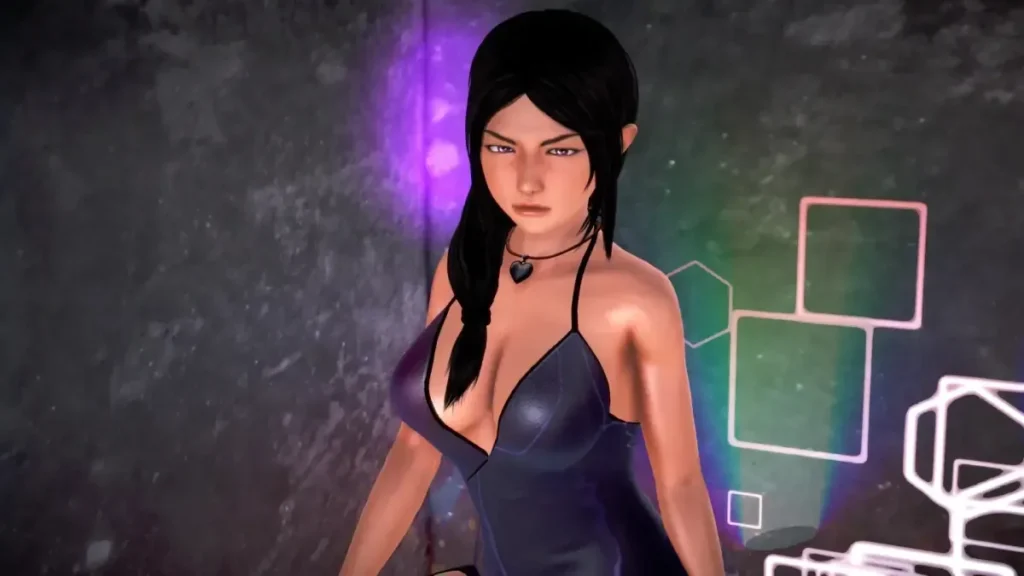










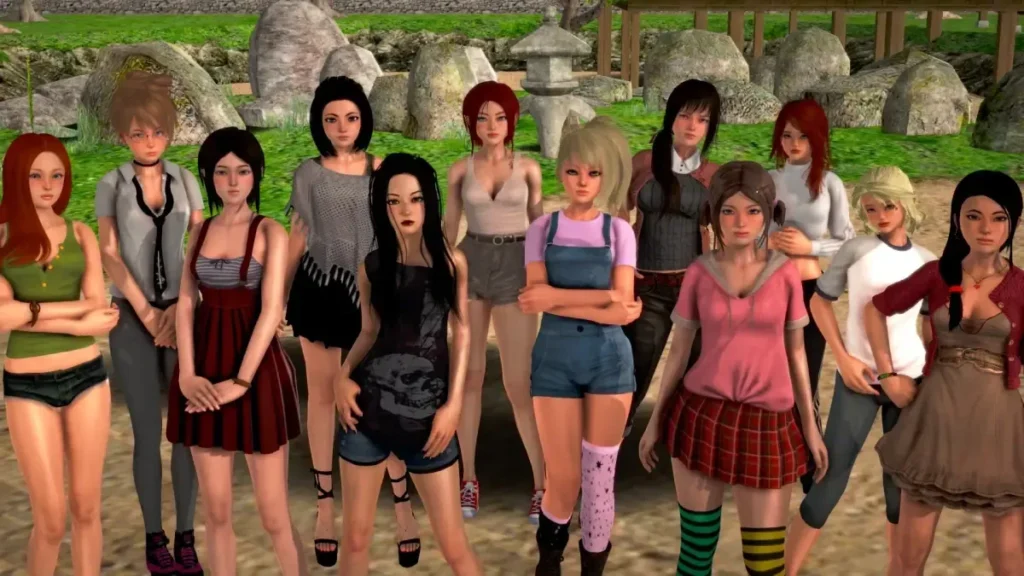


Polarity review
Complete overview of the choice-driven 3D visual novel with animated content and branching narratives
Polarity stands out as a choice-driven adult visual novel that combines fully animated 3D content with engaging gameplay mechanics and branching narratives. Developed by Sir Dammed using Ren’Py, this episodic game offers players a unique experience where their decisions genuinely shape the story, character relationships, and moral trajectory of the protagonist. Unlike traditional static visual novels, Polarity delivers immersive animated sequences, a dynamic dojo management system, and multiple romantic paths that encourage repeated playthroughs. Whether you’re interested in the narrative depth, the animation quality, or the gameplay systems, this comprehensive guide explores everything you need to know about what makes Polarity a standout title in the adult gaming community.
What Makes Polarity Different: Core Features & Gameplay Mechanics
Let’s be honest—if you’ve dipped a toe into the vast ocean of visual novels, you know the formula. You click, you read, you make an occasional choice from a menu, and you look at beautiful, static artwork. It’s comfortable, but after a while, it can start to feel a bit… passive. 😴 What if a game didn’t just tell you a story, but made you live it, with consequences that ripple through every interaction and a world that feels alive around you? That’s the ambitious promise of Polarity, and it delivers by shattering expectations at every turn.
This isn’t just another story on your hard drive. Polarity is a genre-blending experience that merges a deeply personal, choice-driven narrative game with strategic management and a living, breathing world rendered in stunning animated 3D. It’s built for players who crave agency, depth, and replayability, not just a linear tale. If you’re fed up with stories that play themselves and hungry for a game where your decisions truly carve the path forward, you’ve found your next obsession. 🎮✨
### Fully Animated 3D Content vs. Static Renders
The moment you launch Polarity, the difference is immediate and breathtaking. Forget the beautifully painted but motionless CGs of most visual novels. Here, the world moves. Characters breathe, shift their weight, express nuanced emotions with a glance, and interact with their environment in fluid, animated 3D adult game sequences. This isn’t the occasional looped animation; it’s a fully realized cinematic presentation that elevates every story beat and intimate moment.
I remember playing a highly acclaimed VN last year, lauded for its art. During a crucial, emotional confession scene, the character’s sprite had a slight change in expression, but otherwise, it was the same static image for three minutes of dialogue. In Polarity, during a similar tense exchange, I saw the character’s hands nervously fidget, their gaze drop and then meet mine with hesitant determination, and the subtle change in their posture as they gathered courage. The difference isn’t just graphical—it’s emotional. You’re not observing a picture book; you’re in the room with them.
This commitment to animation fundamentally changes the engagement. Polarity visual novel features are built around this dynamism. The high-quality, consistent art style ensures characters are recognizable and beautifully designed, but it’s the life injected into them through animation that creates a powerful sense of presence. The full dynamic soundtrack responds to this flow, swelling in romantic moments, growing tense in conflicts, and falling silent to highlight a poignant pause. It’s a holistic sensory experience.
To see just how stark the contrast is, let’s break it down:
| Feature | Typical Visual Novel | Polarity |
|---|---|---|
| Visual Presentation | Static 2D art or pre-rendered 3D images. Scenes are still frames. | Fully animated 3D content. Characters and scenes are dynamic and fluid. |
| Narrative Structure | Often linear or with limited, obvious branching points (Good/Bad/True End). | Complex, choice-driven narrative game structure where early, subtle choices create vastly different story arcs. |
| Gameplay Systems | Primarily reading and making dialogue choices. Sometimes includes simplistic stat management. | Integrated dojo management gameplay and a deep morality system visual novel that directly influences story and relationships. |
| Character Development | Revealed through dialogue and fixed story events. Personality is often predetermined. | Shaped by your choices via the morality system. Characters react to the personality *you* cultivate for the protagonist. |
| Audio Design | Static background music tracks and sound effects. | A dynamic, responsive soundtrack that adapts to scene tension, mood, and player choices. |
This table isn’t meant to dismiss other games, but to highlight Polarity’s design philosophy. It leverages the powerful Ren’Py adult game mechanics foundation—making it accessible and familiar to VN fans—but uses it as a springboard for something far more immersive. The engine handles the complex branching story paths and variable tracking, while the game fills that structure with 3D life and interactive depth.
### Choice-Driven Narrative and Branching Paths
Here’s where Polarity truly separates itself from the pack. Many games boast about “your choices matter,” but then funnel you back to the same major plot points. In Polarity, this isn’t a marketing slogan—it’s the core code of the experience. The game operates on a butterfly-effect philosophy, where a seemingly innocuous decision in Chapter 1 can completely alter who trusts you, what information you discover, and which romantic possibilities are even available by Chapter 3.
This isn’t about picking “Option A: Be Nice” or “Option B: Be a Jerk.” The choices are nuanced, often reflecting a specific worldview or a particular facet of your character’s growing morality. The morality system visual novel component is silently at work here, tracking not just “good vs. evil,” but alignments like Pragmatic vs. Idealistic or Forgiving vs. Strict. These hidden scores determine how characters perceive you and which dialogue options and story branching story paths even unlock for you.
Tip from a Seasoned Player: Don’t reload immediately after a choice you think might be “wrong.” Some of Polarity’s most fascinating and unique content is found on what feels like a “failed” path. There are no wrong turns, only different journeys.
Let me give you a concrete example from my own playthroughs. Early in the game, you witness a minor rule infraction at the dojo. You have a few moments to decide how to handle it:
* Choice 1: Publicly correct the student to uphold discipline.
* Choice 2: Pull the student aside later for a private, understanding chat.
* Choice 3: Ignore it entirely, believing it’s not worth the confrontation.
In a lesser game, this might change a line of dialogue. In Polarity, this single choice cascades:
* Path of Choice 1: A different student, who values strict order and strength, sees this and begins to respect you more. Their personal storyline, which involves a rivalry, opens up earlier and more aggressively. However, the student you corrected becomes sullen and distant, locking away a subplot about their family struggles until much later, if at all.
* Path of Choice 2: The corrected student becomes fiercely loyal, confessing their personal anxieties to you sooner. This gives you key information about dojo politics early. The observant student from Path 1 now sees you as weak, making their storyline more antagonistic and difficult to unlock.
* Path of Choice 3: You avoid short-term conflict, but gain a reputation for being passive. Both students notice. The infraction grows into a larger problem later, forcing a more difficult, public crisis to manage. This unlocks a unique story branch about restoring lost respect, a path unavailable to players who acted decisively early on.
This is the magic of a genuine choice-driven narrative game. You’re not just picking endings; you’re architecting the entire middle of the story. The branching story paths are so numerous and intertwined that two playthroughs can feel like entirely different games, focusing on different characters, conflicts, and themes. This creates an incredibly addictive cycle of discovery. You finish one 25-60 minute chapter path and immediately think, “But what if I had said that instead?” And you jump right back in.
The episodic structure, with full, substantial chapters released over time, is perfect for this model. It allows you to deeply explore one set of branching story paths, see the consequences, and then reset to try a new approach with the next chapter’s content, constantly expanding the narrative web.
### Dojo Management System and Resource Strategy
Just when you think you’ve grasped Polarity as a narrative experience, it introduces another compelling layer: the dojo management gameplay. This isn’t a tacked-on mini-game; it’s a fully integrated system that directly fuels and is fueled by the story. As the protagonist, you’re not just a student or a love interest—you have responsibilities. The health, reputation, and resources of your dojo are in your hands, and every narrative choice can have strategic implications.
Your core resources are Prestige, Funds, and Student Morale. Prestige affects what opportunities come your way (including which characters seek you out). Funds determine what upgrades you can afford for the dojo or what gifts you can give. Student Morale influences overall performance and can trigger special events. The genius of the system is how it loops back into the choice-driven narrative game.
Imagine this scenario from my second playthrough: A rival dojo challenges yours to a public exhibition match. Narratively, you can choose to accept or decline.
* If you accept, you must then use the management system to prepare. Do you spend limited Funds to hire a special trainer (boosting your chances but hurting your budget)? Do you drill the students intensely, which might raise Prestige if you win but will tank Student Morale? The outcome of the match, influenced by your management, then creates a whole new narrative branch—triumph, bitter defeat, or a pyrrhic victory that leaves your dojo strained.
* If you decline, you protect your resources in the short term, but your Prestige takes a hit. This might lock you out of a future story arc where a prestigious sponsor was considering your dojo, or it might make a certain character view you as cowardly, altering their relationship path.
This creates a constant, engaging tug-of-war between your heart and your head. Do you make the narratively romantic choice to impulsively help a love interest, spending crucial Funds? Or do you make the pragmatic choice to secure the dojo’s future, potentially damaging that relationship? The morality system visual novel mechanics record these decisions too, further shaping your protagonist’s personality.
The dojo management gameplay provides a tangible sense of progression between story beats. You’re not just passively waiting for the next scene; you’re actively building something, and seeing that dojo thrive (or struggle) because of your combined narrative and strategic decisions is uniquely satisfying. It makes the world feel persistent and real, and your role within it meaningful far beyond any single conversation.
This blend of intimate storytelling and strategic resource management is a hallmark of Polarity visual novel features. It respects your intelligence as a player, offering you multiple systems to engage with and master. Whether you’re optimizing your dojo’s income to unlock a special event, or making a strategic sacrifice for the sake of a character’s storyline, you are constantly engaged, making Polarity not just a story to read, but a world to inhabit and shape. Every chapter becomes a new challenge to balance your personal desires with your professional duties, ensuring that no two playthroughs ever feel the same.
Polarity represents a significant evolution in adult visual novel design by combining fully animated 3D content with meaningful gameplay systems and genuinely consequential narrative choices. The game’s hybrid approach—blending story-driven romance with dojo management mechanics and a robust morality system—creates an experience that rewards multiple playthroughs and player investment. From its high-quality animations and dynamic soundtrack to its branching narrative paths and diverse romantic options, Polarity delivers on the promise of player agency where decisions genuinely shape outcomes. Whether you’re drawn to the narrative depth, the animation quality, the strategic gameplay elements, or the exploration of complex relationships and themes, Polarity offers substantial content across its episodic chapters. With its commitment to quality storytelling, technical accessibility across multiple platforms and input devices, and free access to the first chapter, Polarity stands as a compelling choice for players seeking an adult visual novel that respects both narrative and player choice. If you’re interested in experiencing choice-driven storytelling with production values that rival commercial titles, Polarity deserves your attention.