Unraveling August
Play Unraveling August
Unraveling August Screenshots







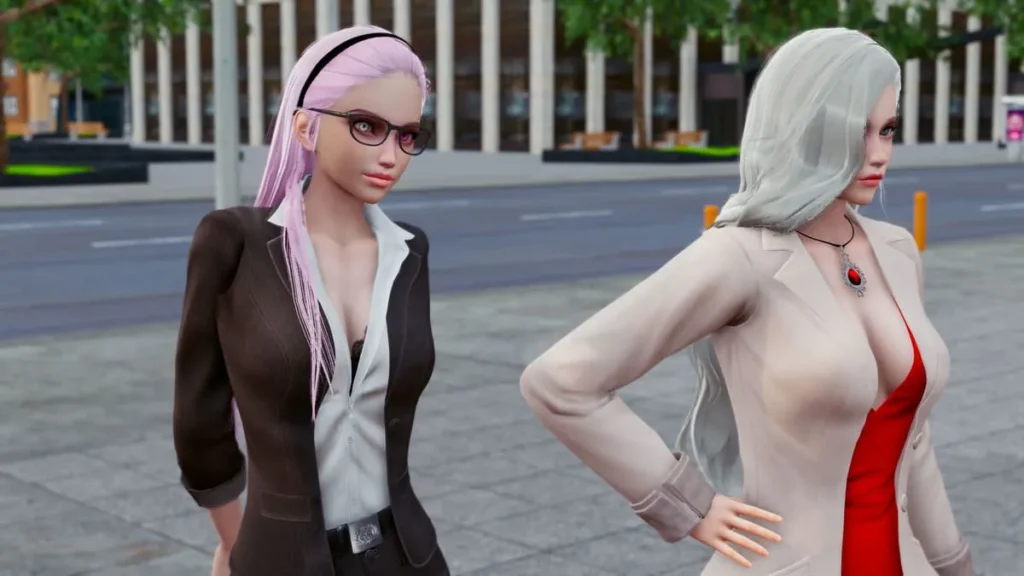
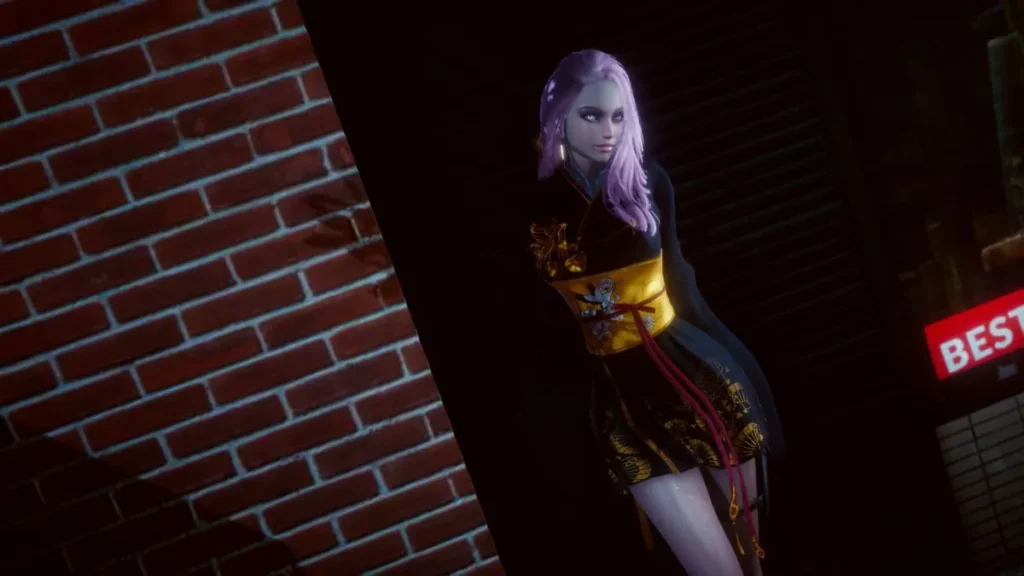


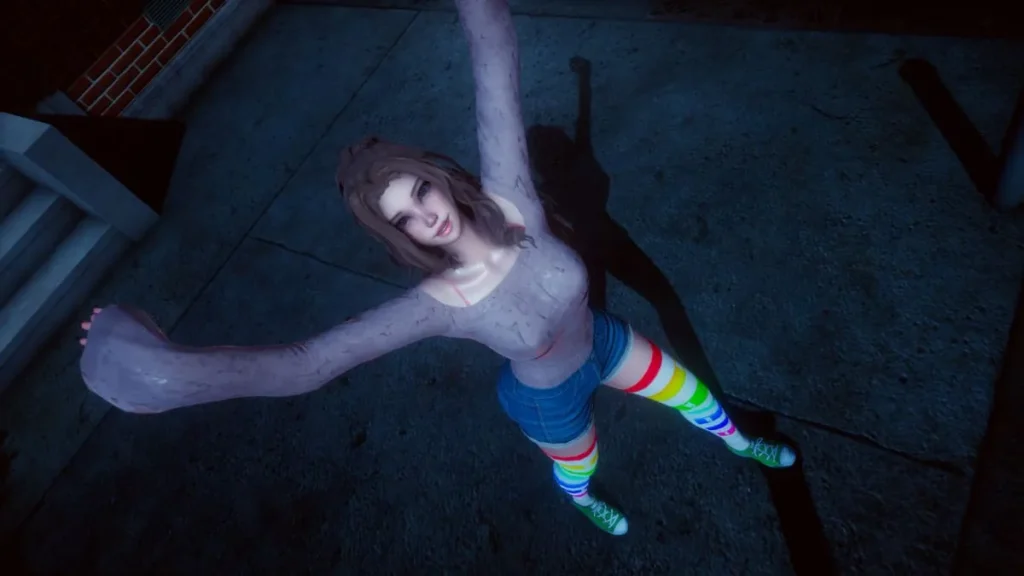
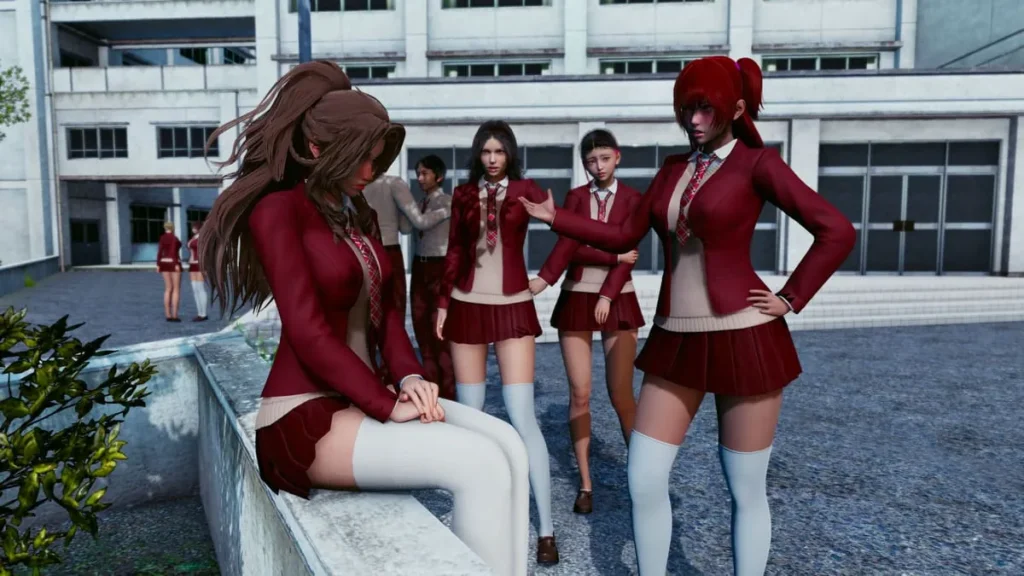
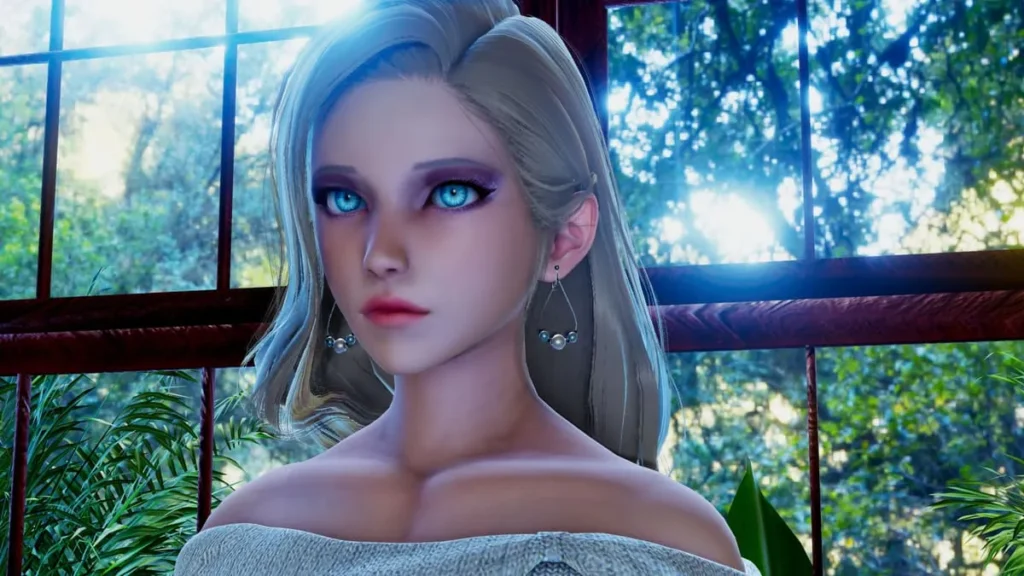
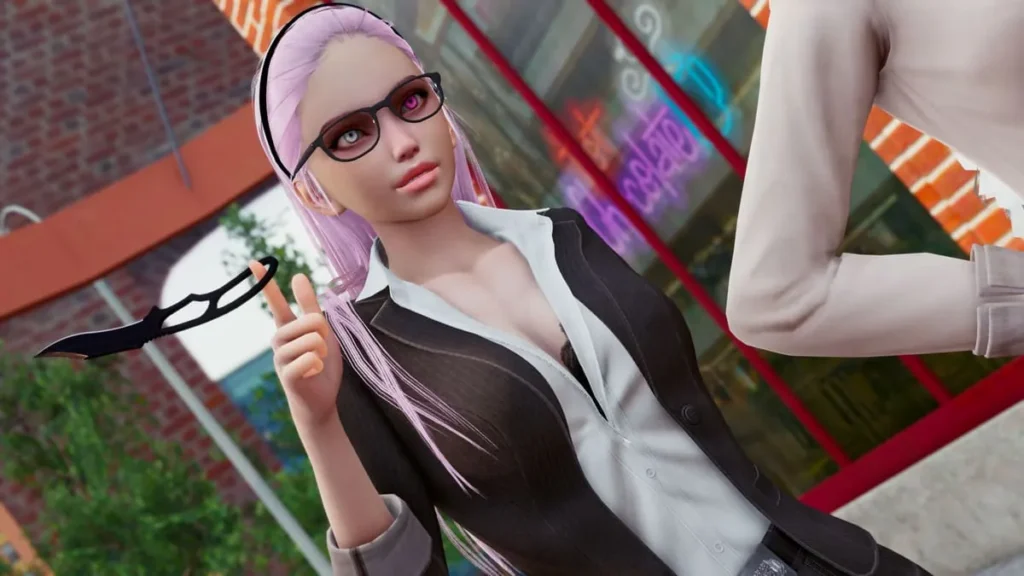

Unraveling August review
Exploring the storytelling, character arcs, and world-building that make this visual novel stand out
Unraveling August has emerged as a standout title in the visual novel community, praised for its exceptional character development and immersive storytelling. Players consistently highlight the depth of character personalities, witty dialogue, and compelling narrative structure that sets it apart from typical offerings in the genre. This comprehensive guide explores what makes Unraveling August a must-play experience, from its intricate character arcs to its stunning visual presentation and engaging plot mechanics. Whether you’re a seasoned visual novel enthusiast or new to the genre, understanding what drives the game’s popularity can help you appreciate its unique qualities.
Character Development and Narrative Depth in Unraveling August
Let’s be honest for a second. How many visual novels have you played where the characters feel like cardboard cutouts with a single, predictable trait? The tsundere who slaps you before secretly blushing, the mysterious quiet one who only speaks in riddles—we’ve seen it all. It’s a formula, and after a while, it just doesn’t stick. 😮💨
What makes Unraveling August such a staggering breath of fresh air is its ruthless commitment to ditching these archetypes. It understands that in a medium driven almost entirely by narrative, the character development visual novel experience lives or dies by the people inhabiting its world. This isn’t about collecting romantic interests; it’s about unraveling human beings, layer by fragile layer. The game presents its cast not as functions of the plot, but as the very engine that drives it.
“I started playing for the mystery, but I stayed for Elias. I felt like I was watching a real person grapple with their past, not just a protagonist following a script. When he finally broke down in Act III, I did too. I’ve never cried over a game like that.”
This player testimonial isn’t rare. It’s the standard reaction. Unraveling August characters are designed to provoke this deep, often unnerving, sense of recognition. They are living, breathing entities whose depth consistently surprises players, turning casual interest into absolute obsession. 🤯
Why Character Complexity Matters in Visual Novels
At its core, a visual novel is an exercise in psychological intimacy. You are not controlling a character through a physical landscape; you are navigating an emotional and social one. If the inhabitants of that landscape feel flat or contrived, the entire world collapses. There’s no gameplay mechanic flashy enough to compensate for a boring cast.
Unraveling August excels because it treats visual novel character depth as the primary gameplay mechanic. Your engagement isn’t measured in points or unlocks, but in the gradual, hard-won understanding you gain about each person you meet. The protagonist’s growth is your growth. An ally’s betrayal feels personal. A moment of vulnerability from a seemingly cold character becomes a monumental victory.
This is where emotional connection gameplay truly manifests. The “gameplay” is the act of listening, of choosing your responses, and of witnessing the profound consequences those choices have on the people around you. Your investment is the progression system. When you find yourself pausing the auto-read function just to sit with a heavy line of dialogue, or feeling genuine anxiety before a difficult conversation, you’re experiencing the masterful craft at work. This level of narrative immersion is what sets Unraveling August apart in a crowded genre.
The Layered Personalities That Define Unraveling August
Forget labels. You can’t pin these characters down with a simple trope. Each one is a carefully constructed puzzle of contradictions, traumas, hopes, and flaws that are revealed not through exposition, but through behavior. 🧩
Let’s break down what makes them so memorably distinct:
- They Have Interior Lives That Don’t Revolve Around You: Characters have conversations when you’re not there. They reference hobbies, past events, and personal struggles that exist independently of the protagonist’s presence. This creates a powerful illusion of a world that continues spinning when you look away.
- Growth is Non-Linear and Often Messy: True character arcs storytelling isn’t about a straight line from flaw to perfection. In Unraveling August, characters regress. They make the same mistake twice. They take one step forward and two steps back, mirroring real human struggle. This makes their eventual breakthroughs feel earned and profoundly satisfying.
- Motivations Are Shaded in Gray: There are no pure villains or spotless heroes. Every major character operates from a complex web of motivations that you slowly come to understand, even if you don’t agree with them. An antagonist’s reasoning might chill you to the bone, but you’ll comprehend it.
- The “Unspoken Personality Energy”: This is a subtle magic trick the game performs. You learn about characters through what they don’t say—a hesitant pause, a subject they consistently deflect, the way their sprite’s expression slightly shifts when a certain name is mentioned. This environmental storytelling through character is genius.
To see this in action, let’s look at how three central Unraveling August characters evolve:
| Character | Initial Presentation | Core Contradiction | Arc Defining Moment |
|---|---|---|---|
| Elias (Protagonist) | A weary, cynical archivist seeking simple truths. | Craves emotional connection but is terrified of vulnerability, using sarcasm as a shield. | Confronting the locked journal from his own past, choosing between preserving his safe numbness or embracing painful, liberating honesty. |
| Maya | A charismatic and ambitious festival organizer. | Projects effortless confidence but is driven by a deep-seated fear of being forgotten or insignificant. | Her meticulously planned event crumbling, forcing her to ask for help and show vulnerability for the first time, redefining her idea of strength. |
| Leo | A reclusive, sharp-tongued historian. | Guards his isolation fiercely, yet his every action reveals a desperate, buried longing for the community he pushes away. | Sharing the story behind a seemingly insignificant heirloom, exposing the raw grief he’s hidden for years and opening a door to connection. |
This table shows the blueprint: a surface trait, a hidden wound, and a narrative pivot that forces integration. This is the heart of protagonist development narrative and supporting cast growth. You don’t just watch them change; you are the catalyst and witness.
How Dialogue Shapes Character Arcs and Player Connection
If characters are the soul of Unraveling August, then dialogue is the central nervous system. This is where the game moves from great to legendary. The dialogue writing visual novels aspire to is on full display here—it’s witty, rapid-fire, and dripping with subtext. Every line serves multiple purposes: advancing the plot, revealing character, and building the world. There is no filler. 🎭
A conversation with Maya isn’t just about gathering clues for the next plot point. The speed of her retorts tells you she’s thinking on her feet. Her shift from grandiose metaphors to stark, simple sentences signals when she’s being truly genuine. You learn to read the musicality of her speech.
Consider this mini-case study from my playthrough:
Early on, Leo is nothing but brusque insults and academic jargon. His dialogue is a fortress. My initial responses were equally guarded. Then, during a late-night research session, I chose a dialogue option that was simply, “You look tired. Have you eaten?” It wasn’t a plot key. It was a human gesture.
He didn’t suddenly become warm. He scoffed. But then, after a beat, his dialogue box showed a hesitant, “…The pantry is… regrettably bare.” That tiny crack in the armor, that slight vulnerability acknowledged through a mundane admission, changed our entire dynamic. Future conversations had a new, subtle undercurrent. His insults became less sharp, more perfunctory, almost habitual. The dialogue writing visual novels often miss is this: the words themselves are only half the story. The space between them carries the emotional weight.
This is how character arcs storytelling is woven directly into player choice. Your dialogue selections don’t just change a “likability” meter from “Cold” to “Friendly.” They shape the quality of the relationship. You build trust through consistency, through choosing empathy over interrogation, and by remembering the small details the characters share. The game remembers, too, and references them chapters later, making the bond feel tangible and earned.
This meticulous craft is why players report such strong reactions—laughing out loud at a perfectly timed sarcastic jab, gripping their desk during a tense confrontation, or yes, crying when a character finally speaks a truth they’ve held for a lifetime. The emotional connection gameplay is forged in these intimate, verbal exchanges. You are not just making choices for a protagonist; you are learning how to talk to, and ultimately understand, another complex soul.
The character development visual novel experience reaches its peak in Unraveling August because it never separates that development from you, the player. The narrative depth doesn’t exist in a vacuum; it is a collaborative dance between the writing and your engagement. You become absolutely addicted to the story because you are no longer a passive consumer. You are an active participant in the most human of all processes: the struggle to know and be known. And that is a story that never gets old. ✨
Unraveling August represents a significant achievement in visual novel development, combining exceptional character development, stunning visual presentation, and compelling storytelling into a cohesive experience. The game’s strength lies in its ability to transcend genre conventions through complex, believable characters whose personalities evolve naturally throughout the narrative. Players consistently praise the witty dialogue, immersive world-building, and emotional depth that create genuine investment in the story and its characters. The technical excellence in character rendering, combined with thoughtful narrative design, establishes Unraveling August as a standout title that appeals to both visual novel enthusiasts and newcomers to the genre. Whether you’re drawn to character-driven narratives, stunning visuals, or engaging storytelling, Unraveling August delivers on multiple fronts. If you’re considering diving into this visual novel, expect an experience that challenges genre expectations and rewards your time with a genuinely compelling story.