Long Road Home
Play Long Road Home
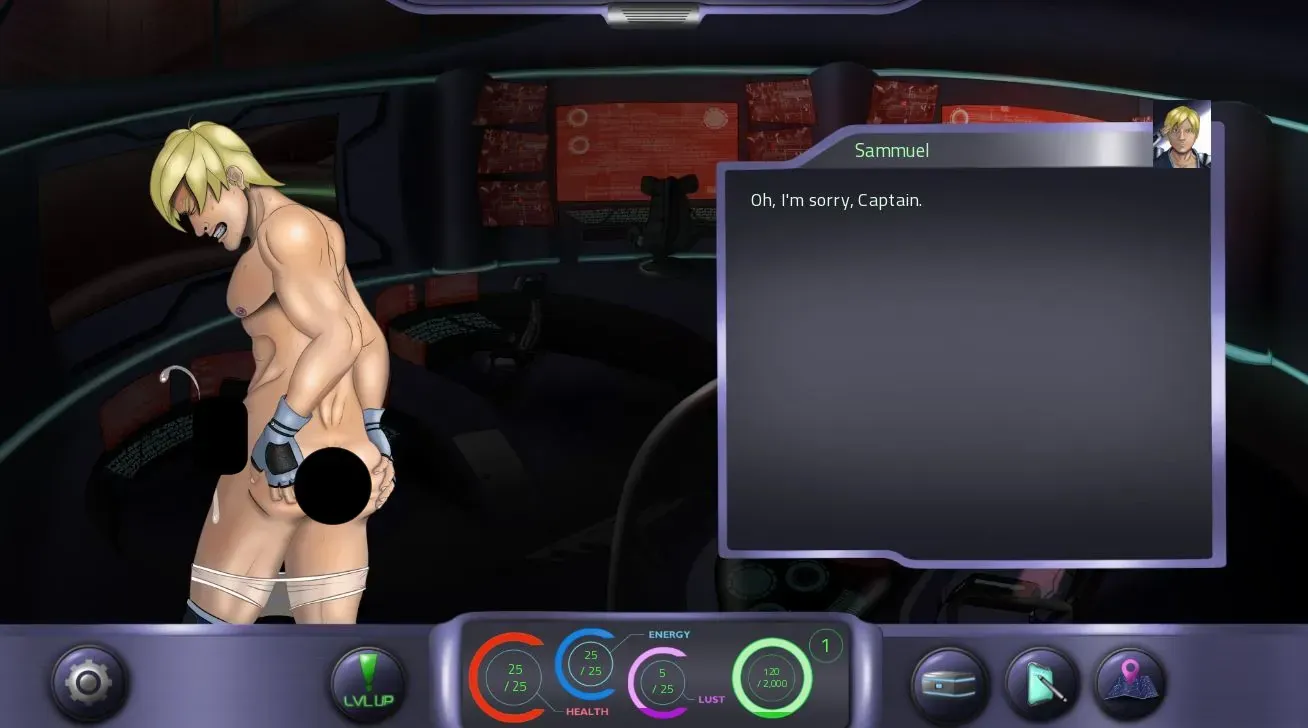
Long Road Home Screenshots

























Long Road Home review
Master every choice, unlock all scenes, and navigate the complete story experience
Long Road Home is a choice-driven narrative experience that puts players in control of a compelling story filled with meaningful decisions and branching paths. Whether you’re starting your first playthrough or hunting for hidden content, understanding the game’s mechanics and decision points is essential to unlocking everything this experience has to offer. This guide walks you through the critical choices, relationship mechanics, and scene requirements that shape your journey. Learn how to navigate the story’s complexity, discover what triggers specific scenes, and make informed decisions that lead to your desired outcomes.
Understanding Long Road Home’s Core Mechanics
Let’s be honest—the first time you boot up Long Road Home, it feels a bit overwhelming, doesn’t it? 😅 You’re presented with dialogue options, characters giving you meaningful looks, and this subtle feeling that every single word you choose matters. I remember my first playthrough, where I thought I was being charmingly supportive, only to have a character refuse to speak to me two chapters later. Oops.
That’s the magic and the challenge of this game. To truly master it—to see every tearful confession, every hidden argument, and every secret ending—you need to understand the engine under the hood. This isn’t just about clicking through a story; it’s about navigating a living, breathing world that reacts to your personality. So, let’s break down the Long Road Home game mechanics that make this all possible.
How Choice-Based Storytelling Works in This Game
At its heart, Long Road Home is a masterclass in choice-based narrative gameplay. Think of the story not as a straight line, but as a vast, interconnected web. Every choice, no matter how small, is a thread you pull, tightening some connections while silently severing others.
The game doesn’t always shout about it. There’s rarely a giant “THIS WILL CHANGE EVERYTHING” warning (though a few pivotal moments do have a special highlight). Instead, it works on a system of narrative weight and memory. The game remembers that off-hand comment you made about hating coffee in Chapter 1, and it might flavor an entire afternoon scene in Chapter 4.
Here’s the crucial part: decision branching paths aren’t just about “good” or “bad” endings. They’re about perspective. Choosing to side with one character in an early dispute doesn’t just lock you into their “path”; it fundamentally changes how other characters perceive you, what information they trust you with, and which doors they’ll open for you—literally and figuratively.
For example, in my second playthrough, I decided to be brutally honest with Alex about Jamie’s behavior. This felt like the “right” moral choice at the time. What I didn’t realize was that this honesty was seen by Morgan as disloyal gossip. Because of that, a whole subplot about Morgan’s family heirloom—a beautiful, hidden scene with its own music and artwork—never triggered for me. The game didn’t tell me I’d failed; it just presented the world that my actions had created.
To visualize how these ripples work, here’s a breakdown of some key early-game decisions and their long-term narrative consequences:
| Decision Point (Early Game) | Immediate Reaction | Long-Term Branch Consequence | Character Availability Impact |
|---|---|---|---|
| Who you help fix the flat tire: Alex or Sam | Gratitude from the chosen character. | Unlocks that character’s personal “request for help” side story later. The other character’s equivalent story becomes harder to access, requiring very specific dialogue checks. | Initiates a “Trust” flag with the chosen character. The other character’s major confession scene in Act 3 has an additional, harder-to-pass empathy check. |
| How you handle the argument at the roadside diner: Defuse, Escalate, or Walk Away | Changes the group’s mood for the next 2-3 scenes. | Determines which “group cohesion” track you are on: Unified, Fractured, or Silent. This track influences the endings available for the entire group dynamic. | Walking Away specifically lowers affinity with all characters initially but can unlock a unique, solitary “Wanderer” story branch if maintained. |
| Choosing to share your own secret when Riley confides in you. | Significant boost in relationship with Riley. | Opens the “Mutual Vulnerability” narrative path with Riley, leading to exclusive scenes about shared past trauma. | If you do NOT share, Riley’s route becomes more respectful but distant, focusing on quiet support instead of deep partnership. |
| Taking the scenic mountain route vs. the faster highway. | Changes the backdrop and ambient scenes. | The mountain route is the hidden content Long Road Home trigger for the “Stargazing” interlude. Missing this means you cannot unlock the “Cosmic Connection” achievement. | The highway route instead triggers a chance encounter with a hitchhiker, adding a temporary new character to the dynamic for a short arc. |
The beauty is that there are no dead-ends until the very final moments. The story constantly adapts, weaving your choices into a narrative that feels uniquely yours. This is the core of the Long Road Home game mechanics—a system designed not to punish you, but to reflect you.
The Relationship System and Character Interactions
If choices are the steering wheel, then the relationship system guide is the dashboard showing your speed, fuel, and engine temperature. 🚗💨 Every major character in the car with you has an internal, invisible meter tracking their feelings toward you. But calling it a simple “affection meter” would be a disservice. It’s more nuanced, tracking multiple dimensions like Trust, Respect, and Familiarity.
You don’t see numbers, and that’s intentional. You gauge your standing through:
* Dialogue shifts: Do they open up with longer, more personal responses, or are their replies short and guarded?
* Scene availability: Do they seek you out for private conversations during rest stops?
* Physical cues: Pay attention to body language in the sprite art. Are they turned toward you, smiling, or are they angled away, looking out the window?
Building these relationships is how you unlock the vast majority of the game’s scenes. Want to see Alex’s vulnerable side after they’ve been acting tough all game? That requires a high level of Trust, built by consistently having their back in disagreements. Want Jamie to share the secret photo in their wallet? That requires Familiarity, built through numerous small, casual conversations about their interests.
Pro Tip from My Experience: I used to think I had to agree with a character on everything to win them over. Big mistake! Sometimes, respectfully disagreeing (and choosing the “I see your point, but I feel…” dialogue option) can increase Respect more than blind agreement. Morgan, in particular, values honesty over flattery.
Each character also has unique “bonding triggers”—specific choices or sequences of actions that give a massive boost to your connection. For Riley, it’s consistently choosing creative or nostalgic dialogue options. For Sam, it’s demonstrating practical skills and reliability in crisis moments. Finding these triggers is key to a deep relationship system guide.
The system is also interconnected. Getting very close to one character might make another slightly jealous or cautious, affecting your decision branching paths. In one playthrough where I focused heavily on Alex, Sam became competitively helpful, which actually unlocked a rare scene where they tried to “outdo” Alex in fixing a problem. It was hilarious and heartbreaking, and I never would have seen it on a “balanced” playthrough.
Scene Unlocking Requirements and Hidden Content
This is what you’re here for, right? The ultimate goal: seeing it all. To unlock all scenes in Long Road Home, you need to think like a gardener, not a bulldozer. You can’t force everything in one go; you need to plant specific seeds and nurture them across multiple playthroughs.
The scene unlocking requirements are tied to three pillars: Relationship Flags, Story Path Alignment, and Hidden Triggers.
- Relationship Flags: As discussed, most character-centric scenes require a certain threshold of connection. The game’s code checks for flags like
ALEX_TRUST_HIGHorRILEY_FAMILIARITY_MAXbefore it even offers the option for a scene. - Story Path Alignment: The major plot forks—determined by those big, impactful choices—put you on a narrative “road.” Certain scenes only exist on certain roads. The melancholic “Abandoned Motel” scene, for instance, only triggers if you are on the “Fractured” group cohesion track.
- Hidden Triggers: This is the juicy hidden content Long Road Home is famous for. These are often sequences of non-obvious actions. A classic example is the “Midnight Radio” scene. To get it, you need to:
- Have taken the mountain route (first trigger).
- Have chosen to fiddle with the radio dial during two previous, unrelated driving scenes.
- Have a low-ish relationship with the current driver, so they don’t engage you in conversation.
- Be playing during a “rainy” weather segment (which is randomly determined at the start of the playthrough!).
See what I mean? You can’t just stumble into this stuff by accident on a single run. This design encourages exploration and replayability.
Some scenes are mutually exclusive. Choosing to comfort Character A in a moment of crisis often means you are physically absent and unable to witness Character B’s parallel breakdown. The game’s save system is your best friend here. Save at major junctures, and don’t be afraid to explore a branch, then rewind to see the other side.
To efficiently plan your journey to completion, here’s a strategy checklist separating the must-dos from the optional flavors:
- [ ] Identify Your Primary Goal for Each Playthrough. Are you going for “Alex’s Close Companion” ending? Focus every decision on building Trust with Alex, even at the cost of others.
- [ ] Save at the Start of Each Chapter. The game’s auto-save is generous, but manual saves before major stops (diners, motels, scenic overlooks) give you perfect branch points.
- [ ] Pay Attention to the Environment. Click on background objects multiple times. Sometimes a hidden content Long Road Home trigger is examining a faded poster twice, or asking about a specific landmark.
- [ ] Vary Your Play Style. If you’re always the peacemaker, try a playthrough where you’re brutally honest, or even selfish. You’ll be shocked at the different scene unlocking requirements that appear.
- [ ] Use the “Silent” Approach. In some dialogues, the best choice is to say nothing. Selecting the “…” option can sometimes lead to characters filling the silence with revealing thoughts they’d otherwise keep bottled up.
- [ ] Don’t Fear Missed Content. The game is designed so that every playthrough feels whole and complete. You’re not failing by missing a scene; you’re just experiencing a different version of the journey.
Ultimately, mastering the Long Road Home game mechanics is about embracing the philosophy of the road itself. It’s not just about the destination, but about the unique landscape you create with every turn you take. There is no single “complete” story—only your collection of journeys, each with its own heartbreaks, joys, and hidden content Long Road Home treasures waiting to be discovered. Now, you have the map. It’s time to start your engine again. 🗺️✨
Long Road Home offers a richly branching narrative experience where your choices genuinely matter. By understanding the game’s core mechanics—how relationships develop, which decisions unlock specific content, and how story branches interconnect—you can craft the exact playthrough experience you’re seeking. Whether you’re aiming to unlock every scene, pursue a specific character route, or discover all possible endings, this guide provides the roadmap you need. Take your time exploring different decision paths, and don’t hesitate to replay chapters to experience alternative outcomes. The beauty of Long Road Home lies in its multiple perspectives and hidden content; each playthrough reveals something new. Start with this guide, make your choices intentionally, and enjoy the journey through this complex, choice-driven narrative.