Sisterly Lust
Play Sisterly Lust
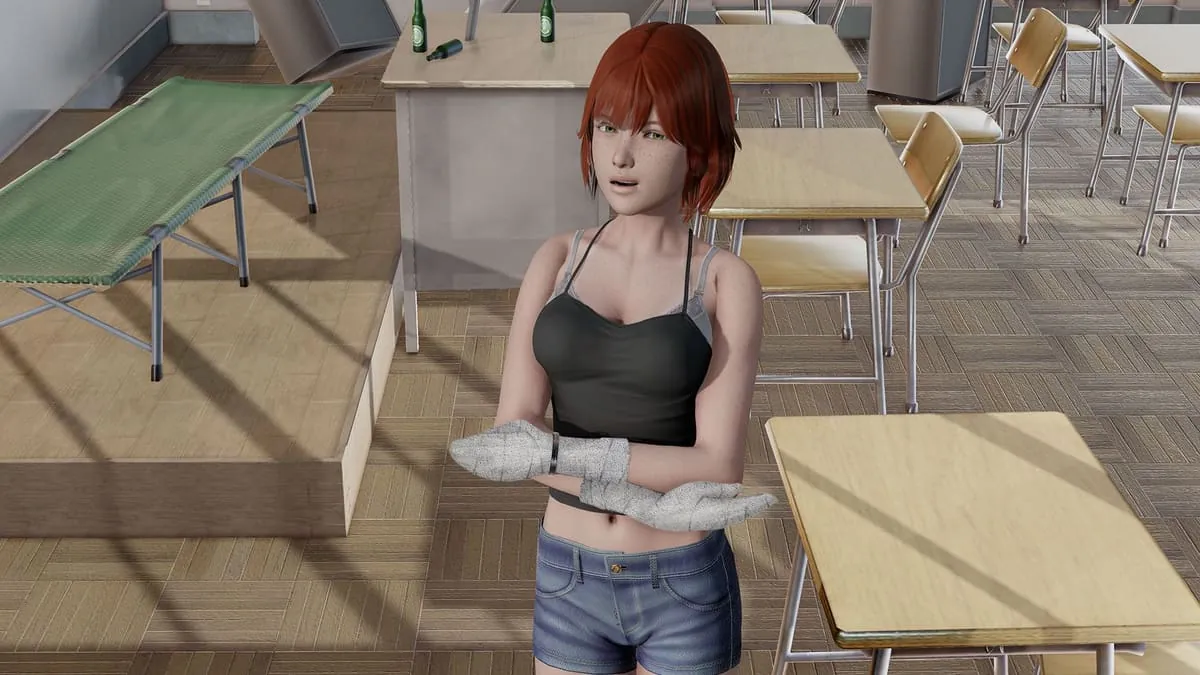
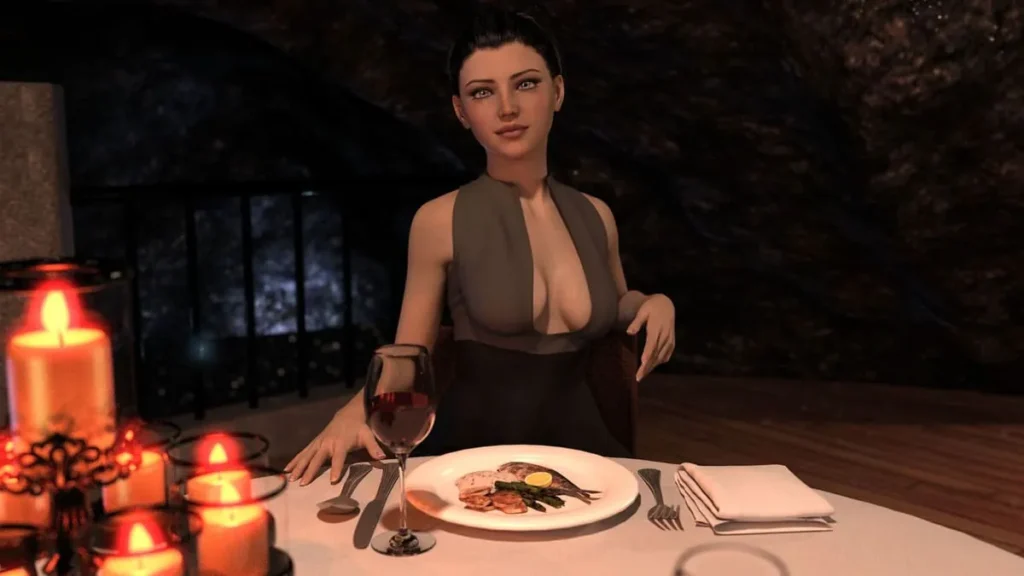
Sisterly Lust Screenshots














Sisterly Lust review
Dive into the captivating story and choices of this adult visual novel
Ever stumbled upon a game that hooks you from the first scene with its mix of family drama and steamy encounters? That’s Sisterly Lust for you—a visual novel that pulls you into a world of complex relationships after a family tragedy. You play as a guy moving back home, navigating bonds with three sisters: the strict elder, charming middle, and innocent youngest. With branching storylines, point systems, and multiple endings, it’s not just about the adult scenes; it’s a deep dive into choices that shape polyamory, betrayals, and romance. I’ve sunk hours into it, and let me tell you, one wrong turn can flip everything. Ready to uncover its secrets?
What Makes Sisterly Lust Stand Out?
I remember the exact moment I downloaded Sisterly Lust. It was a Friday night, and I thought, “I’ll just check out the first hour.” Fast forward, and the sun was coming up. I’d spent the entire night—a solid 12 or 13 hours—utterly absorbed, clicking through one of the most compelling narratives I’d ever experienced in an adult visual novel. I wasn’t just watching scenes; I was genuinely invested in the family’s drama, the characters’ personal struggles, and the weight of my own choices. That’s the magic trick this game pulls off so brilliantly. It’s not just a collection of titillating moments; it’s a full-fledged, emotionally charged story that uses its adult themes to explore complicated relationships. So, what is Sisterly Lust about, and what makes it so uniquely gripping? Let’s dive in. 🎮✨
How the Story Hooks You from the Start
The Sisterly Lust story begins with a powerful, relatable premise that immediately grounds the fantasy in emotional reality. You play as a young man returning to the family home after the tragic loss of your parents. Your role shifts from grieving sibling to a newfound guardian for your three sisters, each dealing with the loss in their own way. This setup creates an instant connection—you’re not just a blank slate arriving for fun, but a character with deep history, responsibility, and unresolved family dynamics.
From this foundation of shared grief and change, the narrative expertly builds tension and intimacy. The game doesn’t rush; it lets relationships develop through daily interactions, shared chores, comforting conversations, and lighthearted banter. You’re not just pursuing a goal; you’re rebuilding a home and a family unit, which makes every step forward feel earned and significant.
The game’s greatest strength is its patience. It makes you care about the characters as people first, which makes the romantic developments later feel like a natural, if complicated, evolution of those bonds.
Where many games might use a simple “corruption” meter, Sisterly Lust employs a more nuanced point system tied to specific character affections and story flags. Making the “right” choice isn’t always about being lewd; sometimes it’s about being supportive, challenging someone to be better, or simply being present. This complexity means your first playthrough will almost certainly be full of surprises. In mine, I completely missed a major plot point with one sister because I failed to trigger a seemingly innocuous earlier event! The visual novel branching paths are intricate and consequential, locking or unlocking entire sequences based on your attention to detail. For instance, pursuing the eldest sister, Liza, is famously challenging, requiring very specific conditions to progress, while a heartfelt confession from a male friend, James, only occurs if you’ve built a strong enough bond with him.
This brings us to one of the most praised aspects of the Sisterly Lust story: its mature handling of adult topics. Sub-plots involving an ex-boyfriend’s return, workplace harassment, and personal insecurities are treated with a surprising degree of care and realism. It feels less like gratuitous drama and more like an honest exploration of the messy lives these characters are navigating.
Key Characters and Their Unique Routes
The heart and soul of the experience are, without question, the Sisterly Lust characters. They are archetypes given profound depth, each with a distinct personality, personal arc, and route that reflects their struggles. You don’t just romance them; you help them grow.
- Liza (The Eldest Sister): The stern, responsible one burdened with holding the family together. Her route is a slow burn of breaking down walls, dealing with her problematic boyfriend, and uncovering her suppressed desires for control and release. It’s a narrative about rediscovering one’s self under the weight of duty.
- Miku (The Middle Sister): The charming, energetic heart of the house. Her route is filled with playful banter and friendship that deepens into something more. It feels the most like a classic romance, built on shared jokes, mutual support, and genuine affection.
- Angela (The Youngest Sister): The innocent and shy artist. Her route is delicate, focusing on guidance, encouragement, and helping her gain confidence in her work and her feelings. It’s a story about nurturing and protecting a fragile bond as it blossoms.
But the world extends beyond the core family. Your flirtatious cousin Lisa offers a more casual, flirtatious path. Friends like James provide rare examples of meaningful male friendship (or more) in the genre. Even encounters with characters at the local bar have snippets of personality that make the town feel alive. The game masterfully uses these Sisterly Lust characters to present a spectrum of relationships, from deeply emotional to casually fun.
To help you navigate these complex connections, here’s a breakdown of the core routes:
| Character | Personality & Role | Key Events & Route Theme | Route Tips |
|---|---|---|---|
| Liza | The strict, responsible eldest sister. Acts as a parental figure. | Confronting her boyfriend, office stress, learning to relinquish control. A narrative of emotional liberation. | Be assertive and supportive. Choices at her workplace and regarding her boyfriend are critical. Her path has strict timing windows. |
| Miku | The cheerful, charming middle sister. The family’s social glue. | Banter-filled home life, shared hobbies, supporting her ambitions. A classic friends-to-lovers journey. | Engage in her activities (gaming, swimming). Be playful and reliable. Her route is more forgiving and linear. |
| Angela | The innocent, creative youngest sister. Shy and introspective. | Encouraging her art, building her confidence, gentle first experiences. A story of nurturing growth. | Be patient and kind. Always support her artistic pursuits. Avoid pushing too hard, too fast. |
| Lisa (Cousin) | Flirtatious, confident, and lives nearby. Offers a less complicated dynamic. | Casual encounters, helping with her home, a no-strings-attached option that can become more. | Be bold and flirtatious in your responses. Her route is less dependent on main story progress. |
A defining and bold feature of the game is its approach to Sisterly Lust polyamory. Unlike many games that force you to choose one love interest, Sisterly Lust carefully crafts narrative possibilities where you can maintain relationships with multiple characters, including all three sisters. This isn’t treated as a simple “harem” fantasy but as a complex, ongoing negotiation of feelings, jealousy, and secrecy that adds a whole other layer of narrative tension and moral dilemma. It makes subsequent playthroughs fascinating as you explore different relational configurations. 🔀
Comparing Sisterly Lust to Other Visual Novels
When players look for games in this niche, comparisons are inevitable. The most common one is Sisterly Lust vs Summertime Saga. While both are phenomenal in their own right, they aim for different experiences.
- Summertime Saga is a sprawling, cartoonish life-sim with a huge world to explore, dozens of mini-games, and a ton of content. It’s like a playful, risqué comic book come to life.
- Sisterly Lust, in contrast, is a focused narrative engine. There’s less free-roaming; it’s primarily point-and-click through a structured story. What it lacks in breadth, it makes up for in staggering depth. The Sisterly Lust story has more layered character development, more nuanced dialogue, and a heavier emotional charge. If Summertime Saga is a fun, open-world adventure, Sisterly Lust is a gripping HBO-style drama. 🎭
The comparison to a game like House Party is also useful. House Party is a first-person, open-ended puzzle game with adult elements. Sisterly Lust is a traditional, choice-driven visual novel. The former is about interacting with a physics-based environment to trigger events, while the latter is all about the visual novel branching paths and the consequences of your dialogue and relationship choices.
This focus on branching narrative is where Sisterly Lust truly excels. Your choices don’t just lead to different scenes; they reshape relationships and alter future story availability. Miss a key moment with a character early on, and an entire subplot might remain closed off. This design rewards careful attention and multiple playthroughs, giving the game incredible replay value. You’re not just watching a story; you’re actively authoring your unique version of it with every click.
My actionable tip from that first marathon session? Start tracking your choices early, especially which characters you spend time with on specific days. The game’s calendar system and hidden flags mean that focus is key. Trying to do everything in one go will likely lead to missing some of the best, most nuanced content.
In the end, what is Sisterly Lust about? It’s about family, loss, responsibility, and the complex, often messy ways love can develop. It uses its adult content not as an end goal, but as a narrative tool to explore intimacy, power, and vulnerability. It’s a game that respects your intelligence and your emotional investment, offering a story with real weight behind it.
Here are the top 5 story strengths that keep players like me coming back:
- Narrative Depth: The plot tackles mature themes like grief, responsibility, and personal growth with surprising sincerity.
- Character Realism: The sisters and side characters feel like real people with flaws, dreams, and evolving personalities.
- Expertly Written Banter: The dialogue is sharp, funny, and feels authentic, making the daily interactions a joy.
- Meaningful Choices: The visual novel branching paths have real consequences, locking and unlocking significant story segments.
- Emotional Maturity: The treatment of relationships, including the Sisterly Lust polyamory elements, is handled with more care and complexity than the genre often offers.
It’s more than playable adult content; it’s a genuinely well-told story that happens to include adult themes. And that’s what makes Sisterly Lust truly stand out.
Sisterly Lust isn’t your average visual novel—its rich storytelling, tricky choices, and memorable characters make every playthrough a fresh adventure. From wrestling through elder sister routes to uncovering hidden confessions, I’ve loved how it blends drama with intimate moments, teaching real lessons on relationships along the way. If you’re into deep narratives with replay value, grab the premium version and experiment with different paths. What’s your favorite route? Dive in today and share your story—you won’t regret it.