Twisted Memories
Play Twisted Memories
Twisted Memories Screenshots

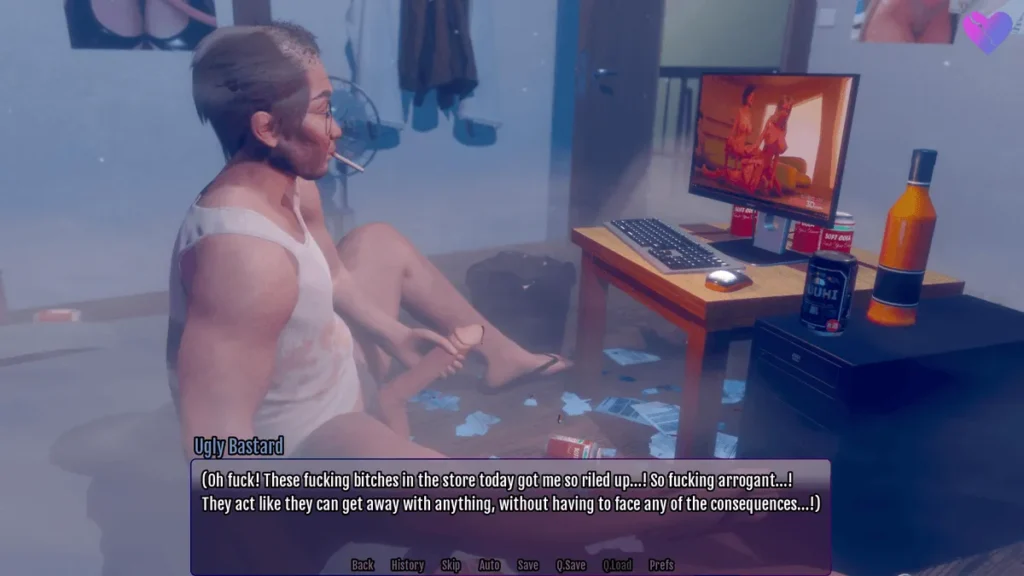
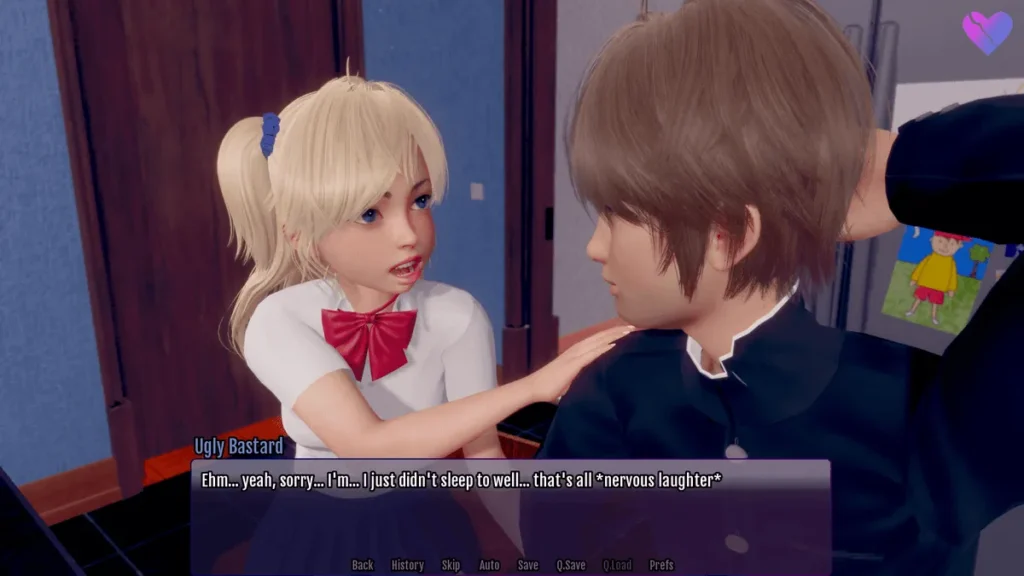


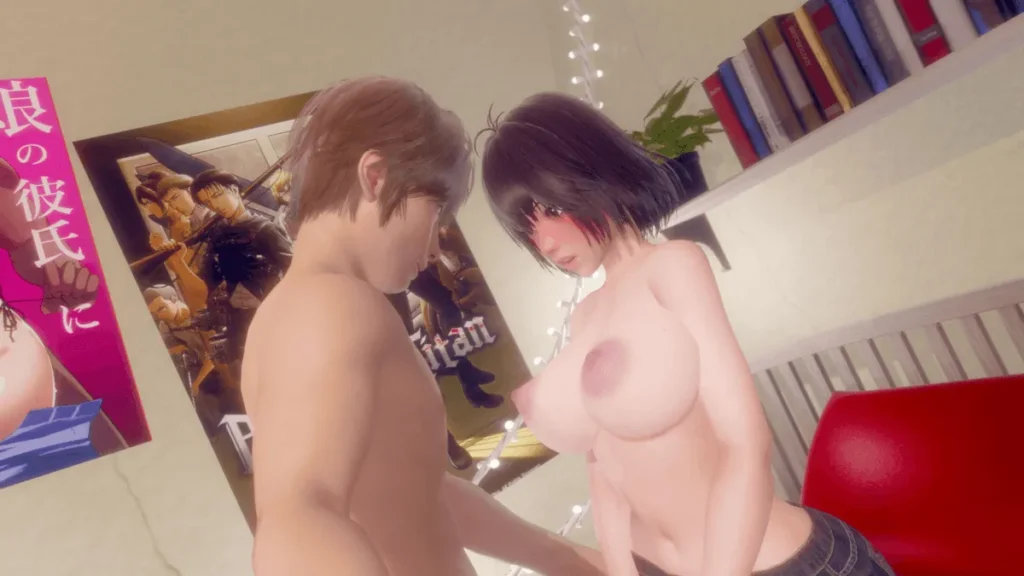
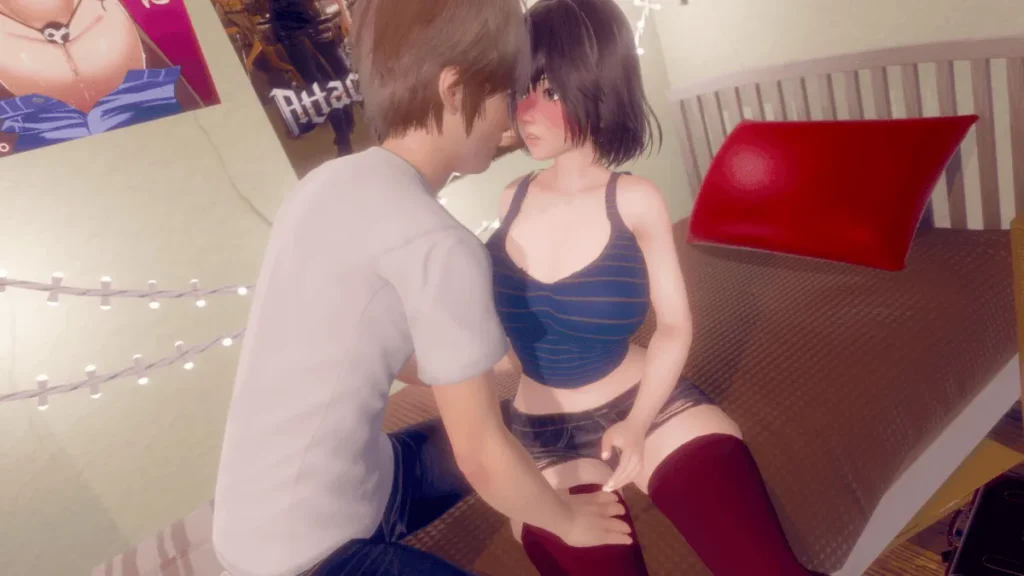

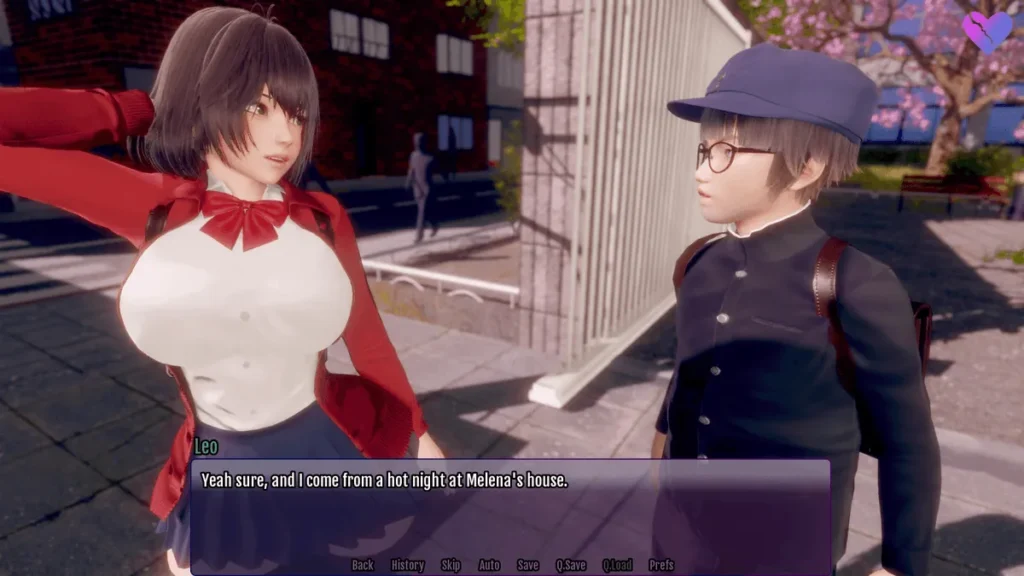
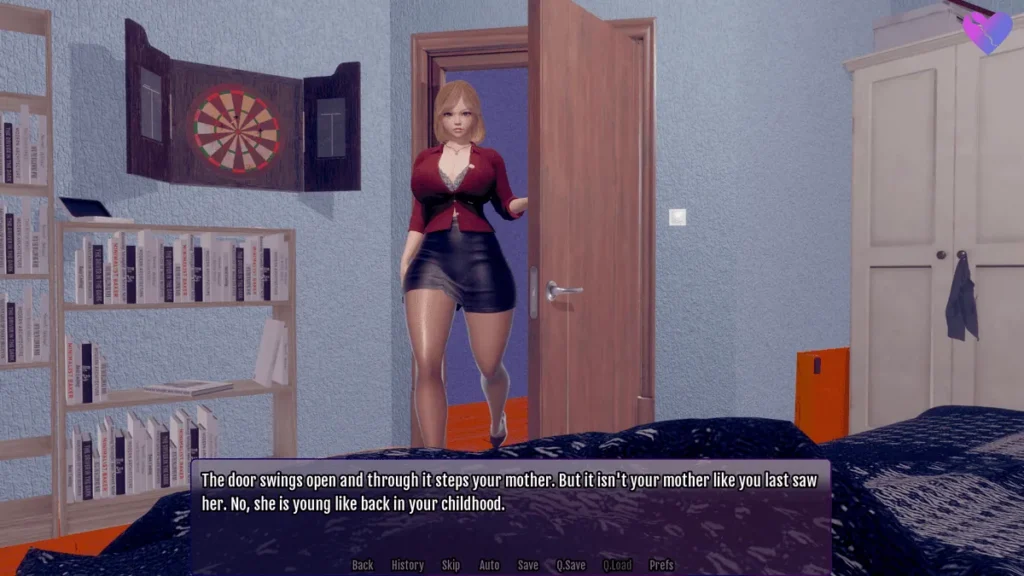
Twisted Memories review
Dive into the Dark, Perverted Second Chance of an Old Mind in a Young Body
Imagine waking up in your teenage body with the twisted mind of a bitter old pervert— that’s the gripping hook of Twisted Memories. This visual novel by BaiBai throws you into a second chance at life, where you corrupt women from your past, build harems, or chase elusive true love. I first stumbled upon it during a late-night scroll and was hooked by its psychological depth and slow-burn choices. Whether you’re chasing Twisted Memories gameplay thrills or unraveling its dark storyline, this guide shares my personal dives, tips, and why it’s a standout in adult gaming. Let’s explore what this time-travel tale offers.
What Makes Twisted Memories Storyline So Addictively Dark?
Let’s be honest, most time-travel stories are about noble heroes fixing the world or getting a second shot at their own dreams. Twisted Memories laughs in the face of that concept. 😈 This isn’t a tale of redemption; it’s a descent into the darkest corners of a broken psyche, and that’s exactly what makes its Twisted Memories story so utterly compelling. You don’t play a hero. You play a monster with a heartbreaking past, armed with the ultimate unfair advantage. If you’re looking for a fluffy romance, turn back now. But if you crave a narrative that claws at your moral compass and refuses to let go, you’ve found your game.
I remember my first playthrough, heart racing as I pieced together the fractured family tragedy from cryptic diary entries and venomous internal monologues. It wasn’t about winning a date; it was about understanding the depth of the wound that created this person. This psychological intrigue game hooks you not with cheap thrills, but with a devastating question: if you knew then what you know now, and you were this damaged, what terrible, beautiful things would you do?
The Shocking Time-Travel Premise Explained
Forget saving the president or inventing Google. The time travel visual novel mechanics in Twisted Memories serve a far more intimate and disturbing purpose. You are a man who lived a long, bitter, and regret-filled life. The specifics of your death are murky, tangled in resentment and failed relationships. Then, you wake up. Not in an afterlife, but in your own teenage bedroom, staring at a reflection you haven’t seen in decades. 🕰️
This is the core of the Twisted Memories plot: a grotesquely jaded old mind, with all its perversions, cynicism, and intimate knowledge of people’s future failures, now trapped in a young, vibrant body. The past isn’t a playground; it’s a prison you’ve already lived through, and now you have the keys to every cell. The “goal” isn’t predefined. The game asks you: What will you do with this power? Will you use your foresight to build genuine connections you missed the first time? Or will you exploit every secret, every vulnerability, to sculpt the world and the people in it to your desire?
The genius here is the protagonist backstory. It’s drip-fed through unreliable memories—flashes of a cold mother, a absent father, childhood humiliations that festered into adult malice. You aren’t guiding a blank slate. You’re steering a deeply wounded, angry individual who views this second chance not as salvation, but as conquest. The past is a script he’s already read, and he’s now hell-bent on rewriting every line for his own benefit, no matter the cost.
Key Characters and Corruption Paths You Control
The characters in Twisted Memories are not mere romance options; they are puzzles, adversaries, and mirrors to the protagonist’s own decay. Your relationships are the primary vehicle for the game’s dark themes. Central to the Twisted Memories story is the ability to pursue a path to corrupt women past. This isn’t a simple seduction toggle. It’s a slow, psychological process of using future knowledge to break down walls, create dependencies, and twist innocent past dynamics into something that serves your warped goals.
You might interact with a woman who was once a confident future CEO, but is now a shy classmate. You know the business mistake that will haunt her in a decade. Do you comfort and guide her, creating a healthy bond? Or do you subtly engineer that mistake to happen sooner, so you can be there to “save” her when she’s vulnerable and grateful? The game forces these chilling calculations. Every character has a “corruption path” that often feels more like a tragic character assassination that you are directing.
Personal Insight: The most gripping moments for me weren’t the explicit scenes, but the quiet dialogues where I’d choose a line of dialogue that I knew would plant a seed of doubt or insecurity. Watching that seed bloom over several in-game weeks into a changed personality was profoundly more impactful than any instant “win.”
The protagonist himself is the most complex character. His traits directly dictate how the story unfolds and how other characters perceive and react to him. Here’s a breakdown of how his core attributes shape the narrative:
| Protagonist Trait | Impact on Story |
|---|---|
| Jaded & Cynical | Colors all interactions with a bitter, knowing tone. Opens unique, pessimistic dialogue choices that can push people away or create unexpected bonds with other broken characters. |
| Manipulative | Drives the core mechanic of “foresight dialogue.” Unlocks options to steer conversations for personal gain, exploit secrets, and orchestrate long-term schemes to alter relationships. |
| Possessive | Fuels the darker romance and harem paths. Choices driven by this trait lead to isolating love interests, fostering jealousy, and viewing people as trophies rather than partners. |
| Vulnerable (Hidden) | Despite his front, flashes of his own past pain can emerge. Choosing these rare, genuine moments can pivot the story towards more redemptive, “true love” paths, shocking both the character and the player. |
Player Choices: Harem Dreams or True Love Twist?
This is where Twisted Memories truly branches into a personalized experience. You are constantly faced with the central dilemma: harem or true love? The game doesn’t judge you for either path, but it ensures each has profound consequences and a completely different narrative flavor. 🍂
The Harem-Building Route: This path is about power reclamation through possession. It leverages the protagonist’s knowledge to weave a web of relationships where he is the central, indispensable figure. It’s a game of social chess.
* Actionable Advice: Focus on solving future problems for characters before they happen. Be the oracle who always has the right answer. Create scenarios where different love interests need you in conflicting ways, and carefully manage their knowledge of each other. This path is less about deep romance and more about maintaining a delicate, controlled ecosystem of desire and dependency. It’s challenging, strategic, and delivers on a power fantasy that is deeply intertwined with the psychological intrigue game at its core.
The “True Love” Twist Route: This is arguably the harder, more narratively risky path. It requires fighting against the protagonist’s own ingrained nature. Here, you use your foreknowledge not to manipulate, but to genuinely connect and avoid past pitfalls.
* Actionable Advice: You must actively choose vulnerability. When you know a love interest is about to be hurt by a future event, instead of letting it happen to be her hero, you warn her honestly and early. Help her grow stronger with you, not because of you. This path involves painful honesty, facing your own protagonist backstory head-on, and potentially sacrificing short-term control for a single, authentic bond. The “twist” is that in a game about corruption, choosing not to corrupt anyone becomes the most radical and satisfying rebellion.
My personal favorite playthrough was attempting a “true love” path with the most difficult character. It felt like defusing a bomb with every conversation choice, constantly battling the game’s (and my own) temptation to take the easier, manipulative route. The payoff wasn’t just a happy ending; it was a sense of having earned a sliver of light in a very dark world.
This isn’t just smut—it’s a mind-bending psyche dive. The Twisted Memories story forces you to live in the headspace of someone both pitiable and despicable, and asks you to decide if he can—or even should—be saved. The time travel visual novel framework is merely the vehicle for a brutal examination of memory, regret, and the terrifying power of knowing what comes next.
FAQ: Your Twisted Memories Plot Questions, Answered
-
Does Twisted Memories involve seducing family members like the mother?
Yes, the Twisted Memories plot includes complex, taboo relationships as a central and controversial theme. These paths are deeply tied to the protagonist’s backstory and his warped desire to rewrite foundational family dynamics from a position of power. -
Is there a “good” ending in Twisted Memories?
“Good” is subjective. There are endings that are more redemptive, less destructive, and even bittersweetly hopeful. However, every ending is stained by the journey and the protagonist’s nature. A “happy” ending in a traditional sense is not guaranteed, and often feels earned through immense struggle. -
How long is the game, and how much does my choice of harem or true love change it?
A single playthrough can take 10-15 hours, but the vast branching paths for harem or true love choices offer massive replayability. Key story events, character resolutions, and final chapters can be entirely different, making a second playthrough feel like a distinct story. -
Is the protagonist purely evil, or can I make him sympathetic?
This is the core tension of the game. While his starting point is dark, your choices can reveal layers of profound vulnerability and pain from his protagonist backstory. You can guide him toward moments of genuine remorse and connection, making his journey one of tragic complexity rather than pure villainy.
Twisted Memories stands out with its brilliantly unsettling time-travel premise, deep gameplay mechanics, and choices that let you corrupt the past or seek redemption. From my multiple playthroughs, the internal conflicts and slow narrative build real tension, making every decision feel weighty. If you’re into visual novels blending dark psychology with adult thrills, grab the latest version and dive in. Share your own endings in the comments—what path did you take? Your second chance awaits.